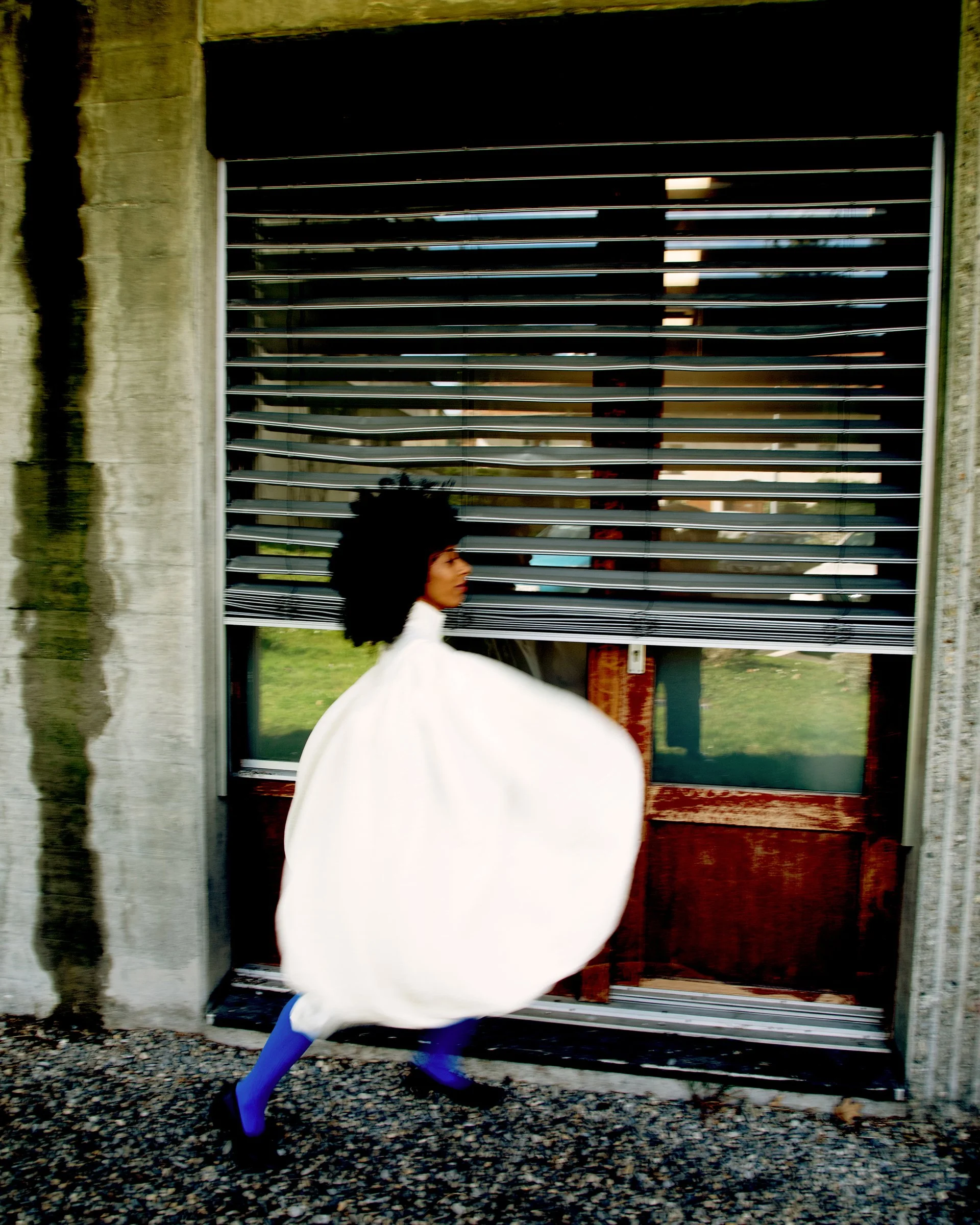


CHLOÉ ANAIS
LOPES GOMES
The renowned ballet dancer on standing up to racism and finding her own boundary-breaking path
Photography, creative direction, styling
Ayomide Tejuoso
Words by
Wanjeri Gakuru
Chloé Anais Lopes Gomes sums up her current state of mind as ‘free’. “The last few years I felt like a prisoner. Now, I can do whatever I want. I was afraid to become independent but I’m happy. I’m in a good place,” she says. The French ballet dancer gained worldwide acclaim in 2018 by being the first Black female dancer at Staatsballett, Berlin’s principal ballet company. This joy quickly turned into sorrow as Gomes faced severe racism. Looking back now, having established herself as an inspirational teacher, speaker and advocate, it’s a painful memory but one she knows others can learn from. “The issues started from the audition stage. It was a difficult audition and the ballet master said they shouldn’t hire me ‘for aesthetic reasons’,” she recalls. “So, I was already aware she had a problem with me but I decided to prove her wrong. I have a strong personality but after three weeks, Swan Lake happened.”

Tchaikovsky’s mesmerising ballet is the story of Prince Siegfried and Princess Odette, which first premiered at the Bolshoi Ballet in 1877. In it, the evil sorcerer Baron von Rothbart transforms Odette and her companions into swans who can only return to their human form at night. Swan Lake was the very reason Gomes got into ballet. She was just eight years old when her mother took her to watch a production staged in their small town in the south of France. “As a little girl, it was really something. I already had an eye for the lines of the ballet dancers, the footwork. I was impressed with the music, the set, the story; it really touched me. I knew at that moment that one day I would be on stage doing something similar.”
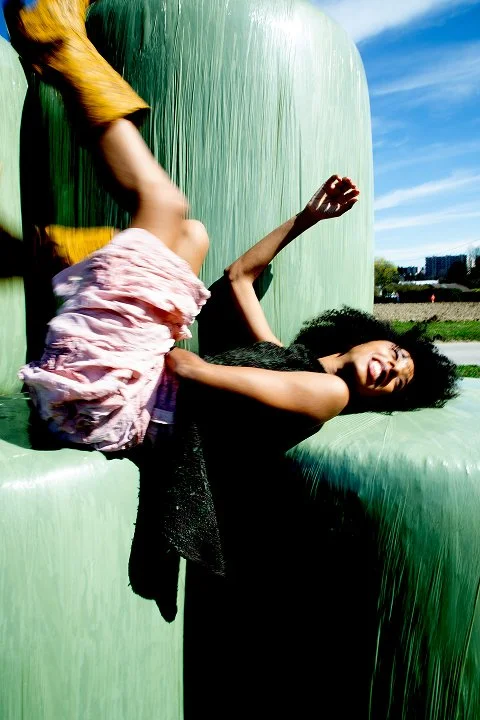

Gomes started ballet lessons three weeks later. Within two months she had joined a local conservatory and by age 14 had been offered a full scholarship to study at the prestigious Bolshoi Ballet. This came as relief for her hard-working mother because, with another daughter and son joining the profession, she had three little dancers in her home now. “My mother had a modest upbringing but she was really into art. She had an opportunity to join a school in Paris but her parents couldn’t afford it. She worked as a cleaning lady and took extra hours to support our dancing careers,” she says.
Her time in Russia turned out to be a good experience. The programme was difficult but it drew people from various backgrounds and the school protected the girls. There was even a Black community in her city. All the same, her father, who is from Cape Verde and had had a difficult time as an immigrant in France, told her to be careful. “As a Black person, if you’ve never experienced racism then you can never know how it will affect you. But I guess I have since learnt,” she says.
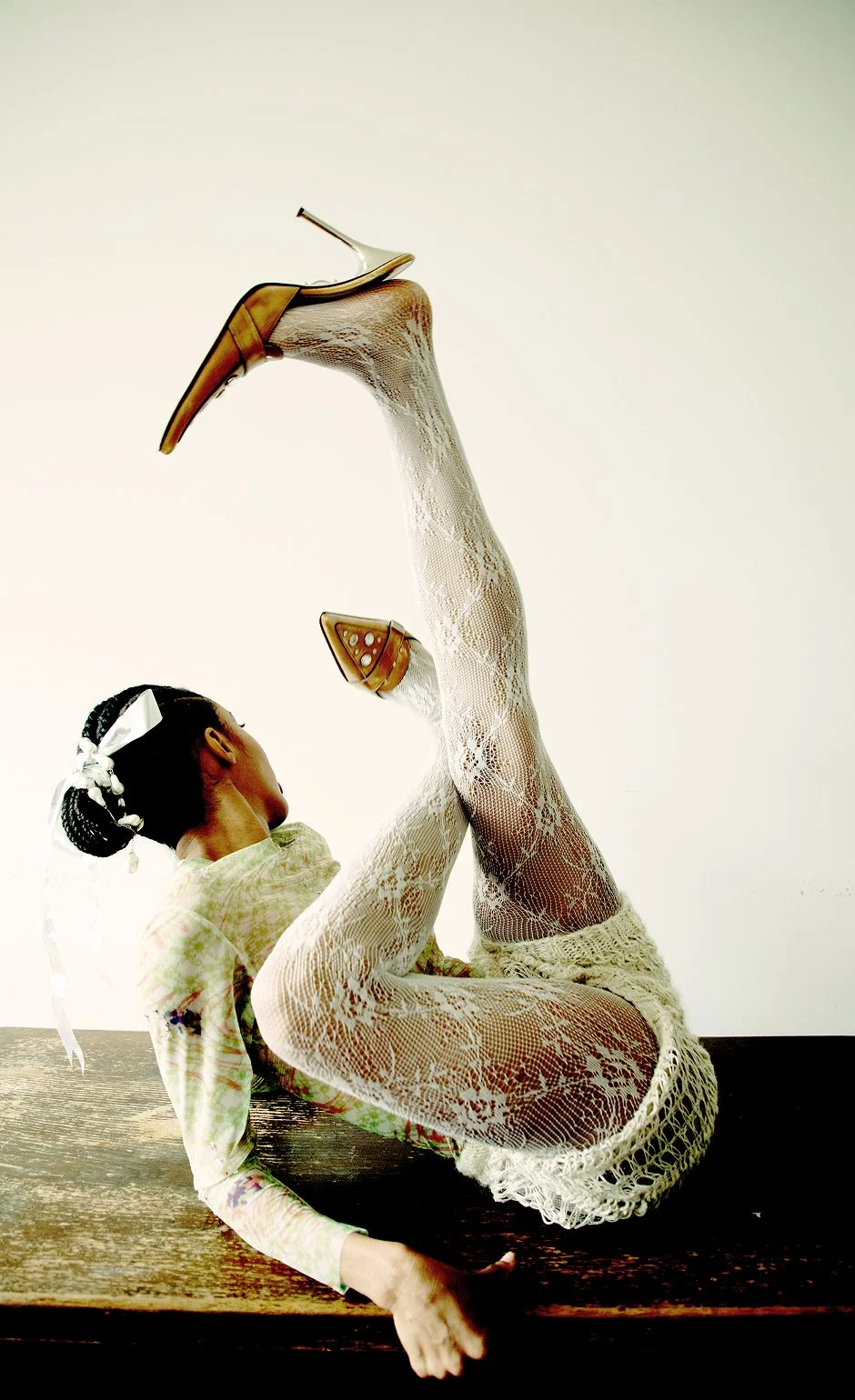
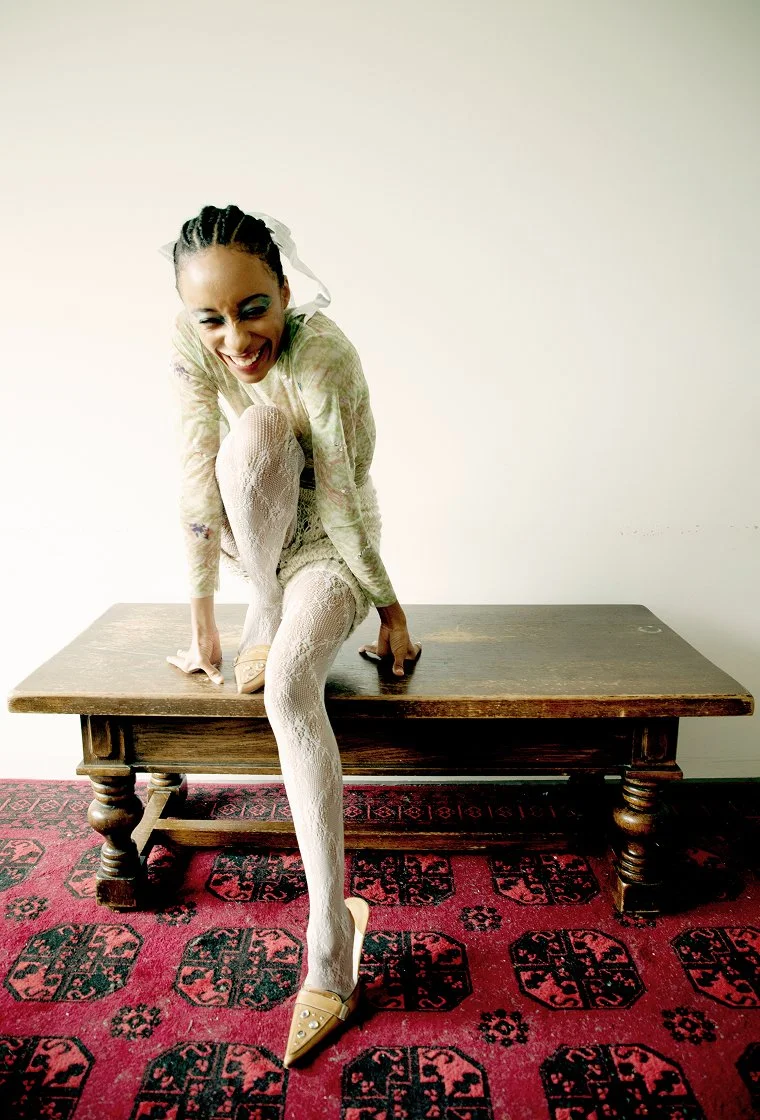
Staatsballett’s staging of Swan Lake attracted a lot of media attention. A German journalist wrote about the show and made note of Gomes’s uniqueness. “It was a positive thing for the company but it also put me in the spotlight. This is where the ballet master started with the racist comments. Talking about how if I was out of line with the others they could only notice me because I was Black. She forced me to bleach my skin (put on thick white make-up),” Gomes also witnessed child ballerinas putting on blackface.
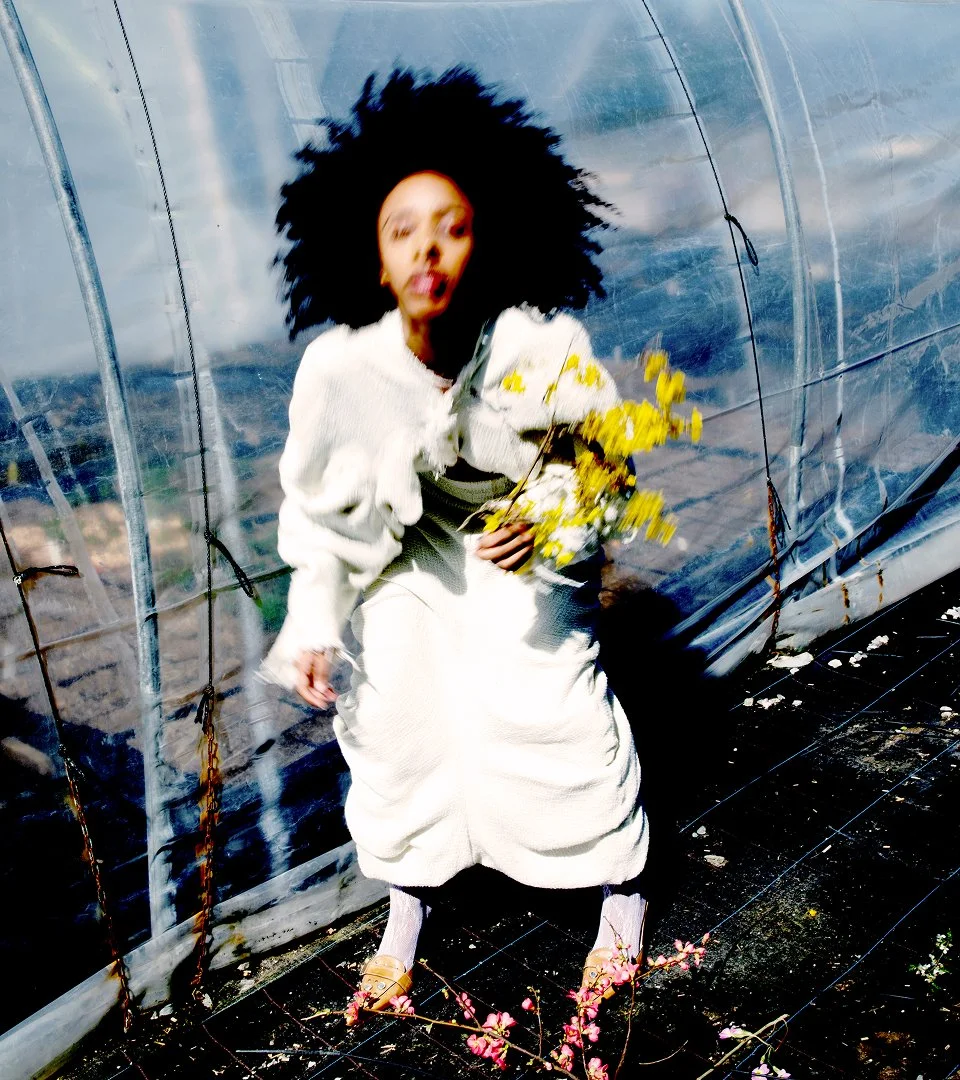
“Now I do what I want. I can propose any kind of dance. I am able to express myself through my classes, through my art”
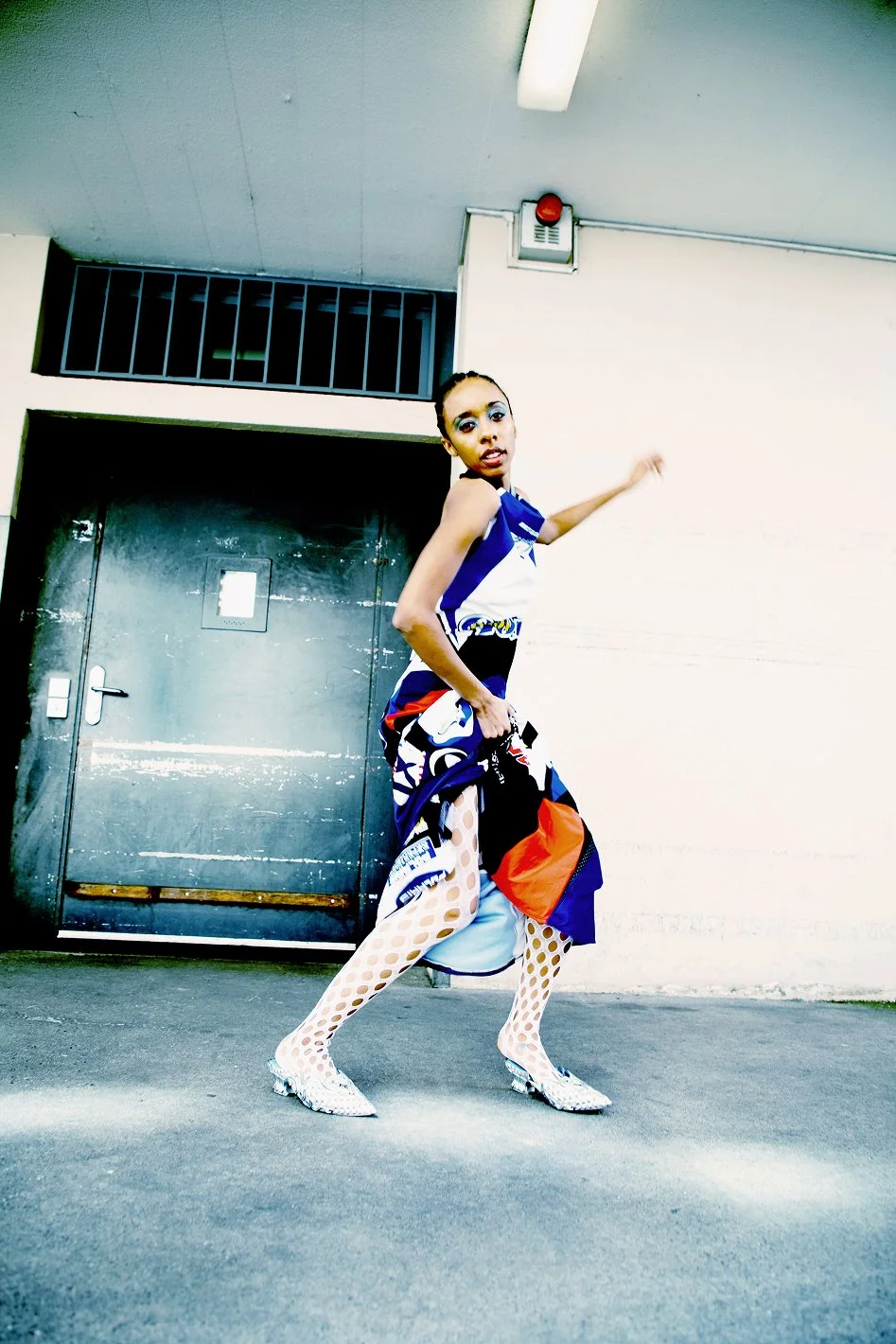
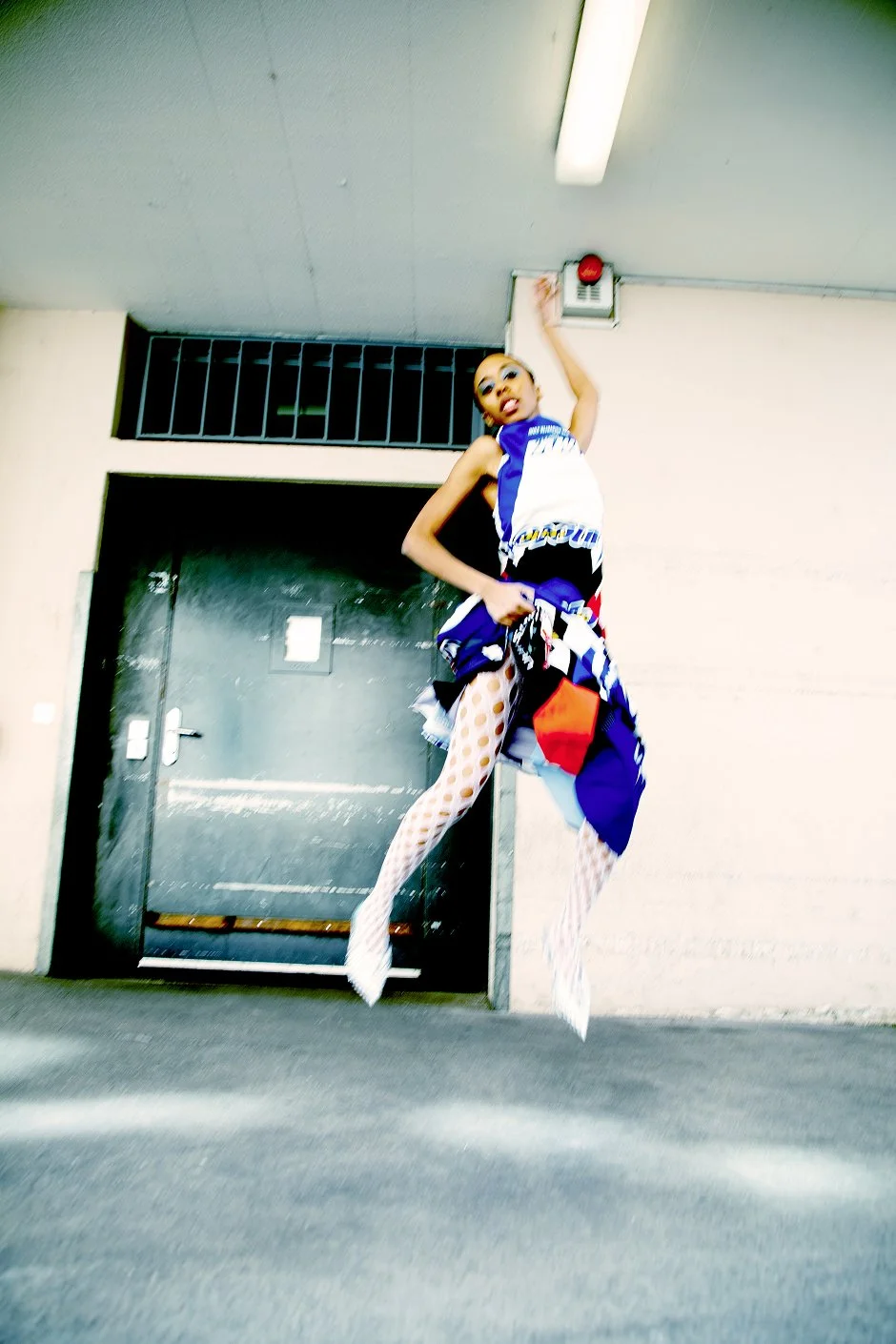
She made multiple complaints and they eventually led to the ballet master being put on leave and asked to attend sensitivity workshops. She didn’t take part in the workshops and instead got Gomes fired in 2020. The fiery dancer decided to stand up for herself. “I realised that if I didn't fight then they would never hire a Black person again and if they did, they would go through the same thing.” Gomes won the case, was offered her job back (which she declined) and received a financial settlement. “In the end they said ‘sorry this happened’ but I had to fight for that.”
Having taken a step back from company work, Gomes now spends her time on more fulfilling and empowering pursuits. Her first book is due for release in May. “It’s about my life, I’m exposing myself as a dancer, as a woman, a Black woman. When a Black woman talks about a topic such as racism, we are always put into a box: ‘this is a person who complains about her skin colour’. I didn’t want that,” she says. In addition, her dance website, Bold Step, launched in March and offers online ballet masterclasses for anyone keen on improving their flexibility and mobility. “The book and the platform are ideas I had ten years ago but I didn't have the confidence or the resources to pursue them,” she adds. “Now I do what I want. I can propose any kind of dance. I am able to express myself through my classes, through my art. I’m open-minded and want to try different things. For now, I am creating a new job for myself. I don't want anyone to put Chloé in a box.”
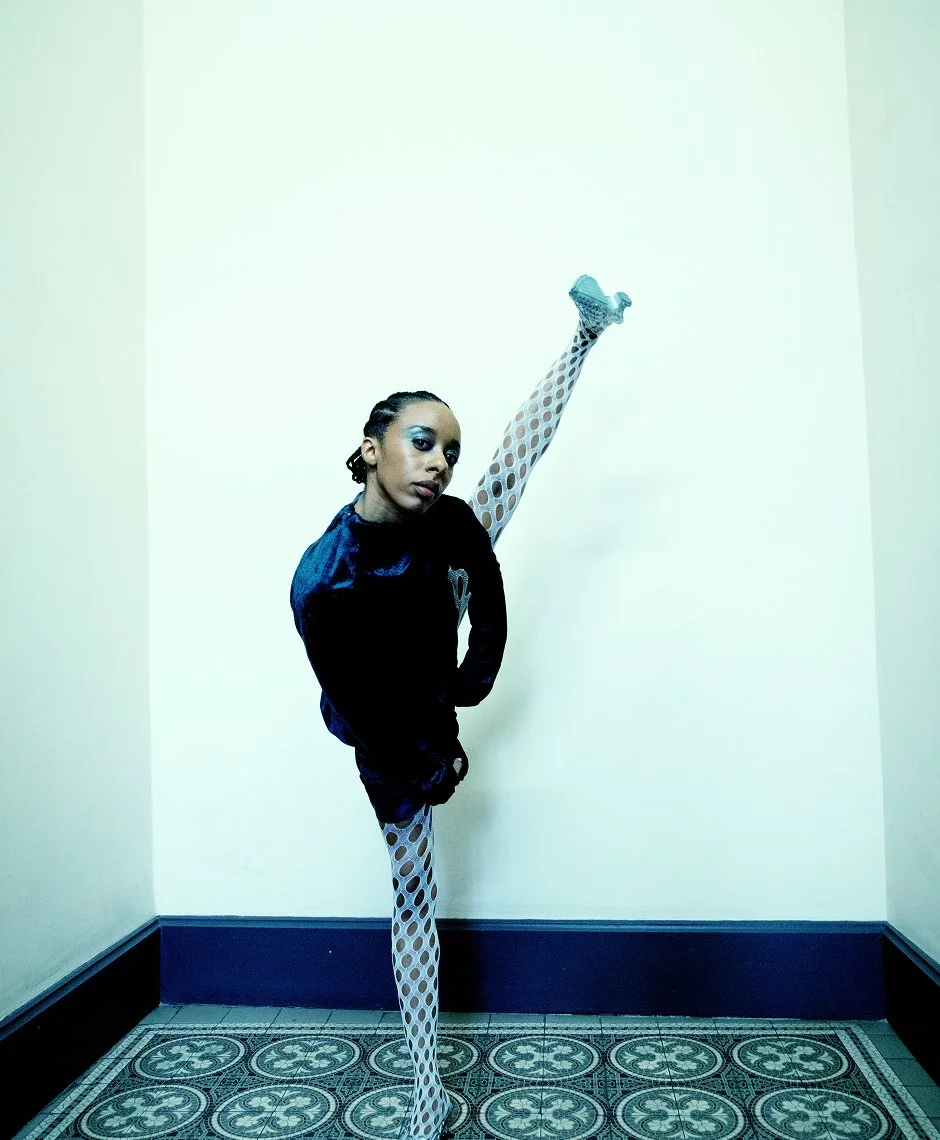
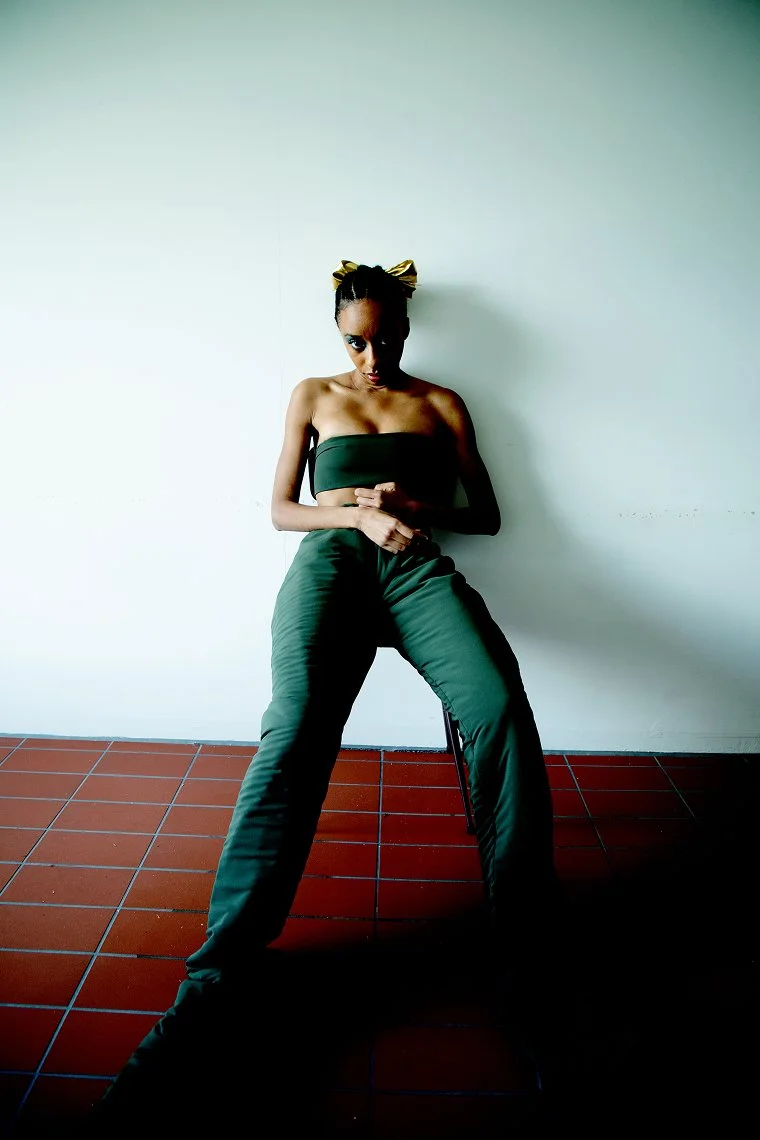
Photography, creative direction, styling Ayomide Tejuoso aka Plantation
Styling assistance Iris Nguyen Van
Production and photography assistance Omar Fiusa
Words Wanjeri Gakuru
Visit Chloé Anais Lopes Gomes
Visit Bold Step
