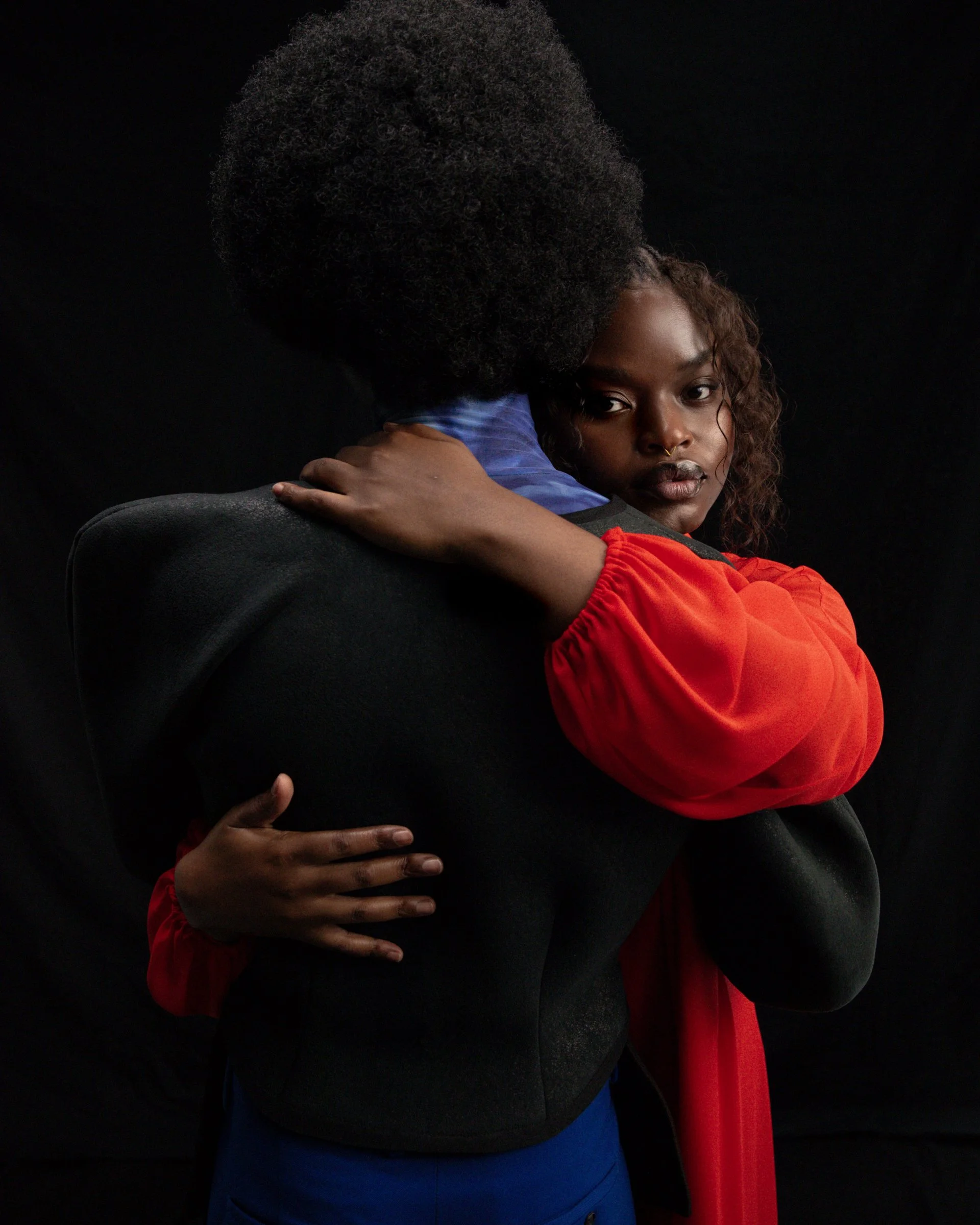


Art Comes First’s short film shot in Ethiopia is a rallying call for unity
Lockdown was a difficult time, evoking feelings of loneliness and isolation. But for Shaka Maidoh and Sam Lambert, the duo behind renowned creative collective Art Comes First, there was another way of looking at it. For them, it was a period of spiritual revival giving time for personal introspection and a renewed appreciation for oneness. All of us, communities and society at large, could come through the other side stronger together.
This positive slant served as the departure point for their latest film project, ‘The Blues’, shot in the Rift Valley, Ethiopia, and debuting on Nataal. The title is a reminder of the power and influence of blues music, stemming from its origins in slavery and the migration of Black people across lands and cities. By definition it is melancholic and sombre yet at the same time, deeply cathartic and designed to bring enjoyment. A poem written by long-time collaborator, spoken word artist Big Rube of the Atlanta-based Dungeon Family and of Society of Soul, serves as the sonic score giving voice to the story being told.
Directors
Sam Lambert and Shaka Maidoh
Art Comes First, 2023
“Most of the art we are exposed to coming out of Africa is from West Africa and Southern Africa but there’s so much more going on in East Africa that isn’t having light shone on it. We wanted to go to Ethiopia to broaden our knowledge and to network with creatives. When we got there, we found all we were looking for,” Maidoh says. The duo were also attracted to the country as the cradle of humanity and the spiritual home of Rastafarianism. “We wanted to tap into Ethiopia as the place of discovery of Lucy (one of the oldest known human ancestors, found in Hadar). Also spiritualism: Haile Selassie gave his philosophies not just to every Rastaman, but to every African,” says Lambert.
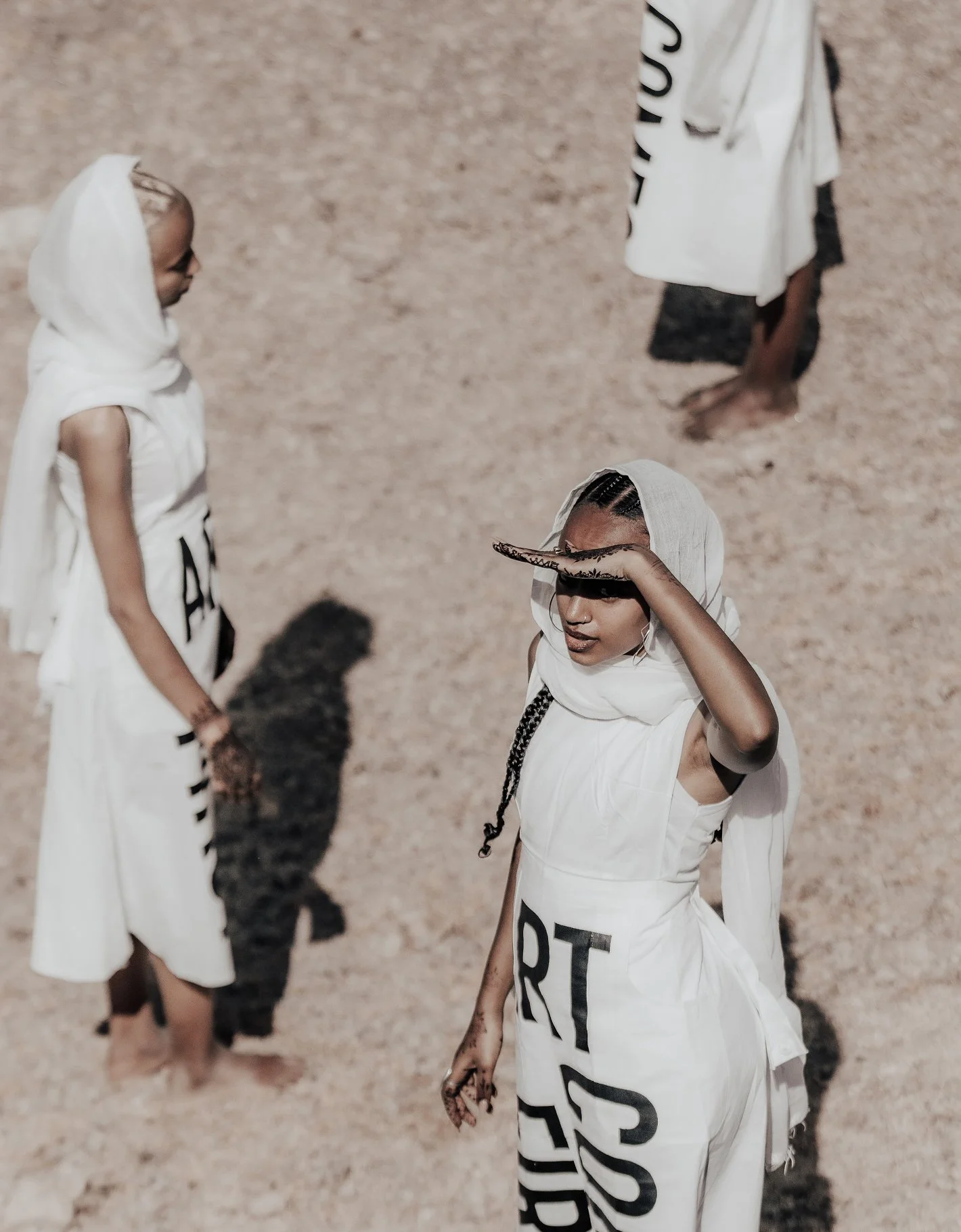
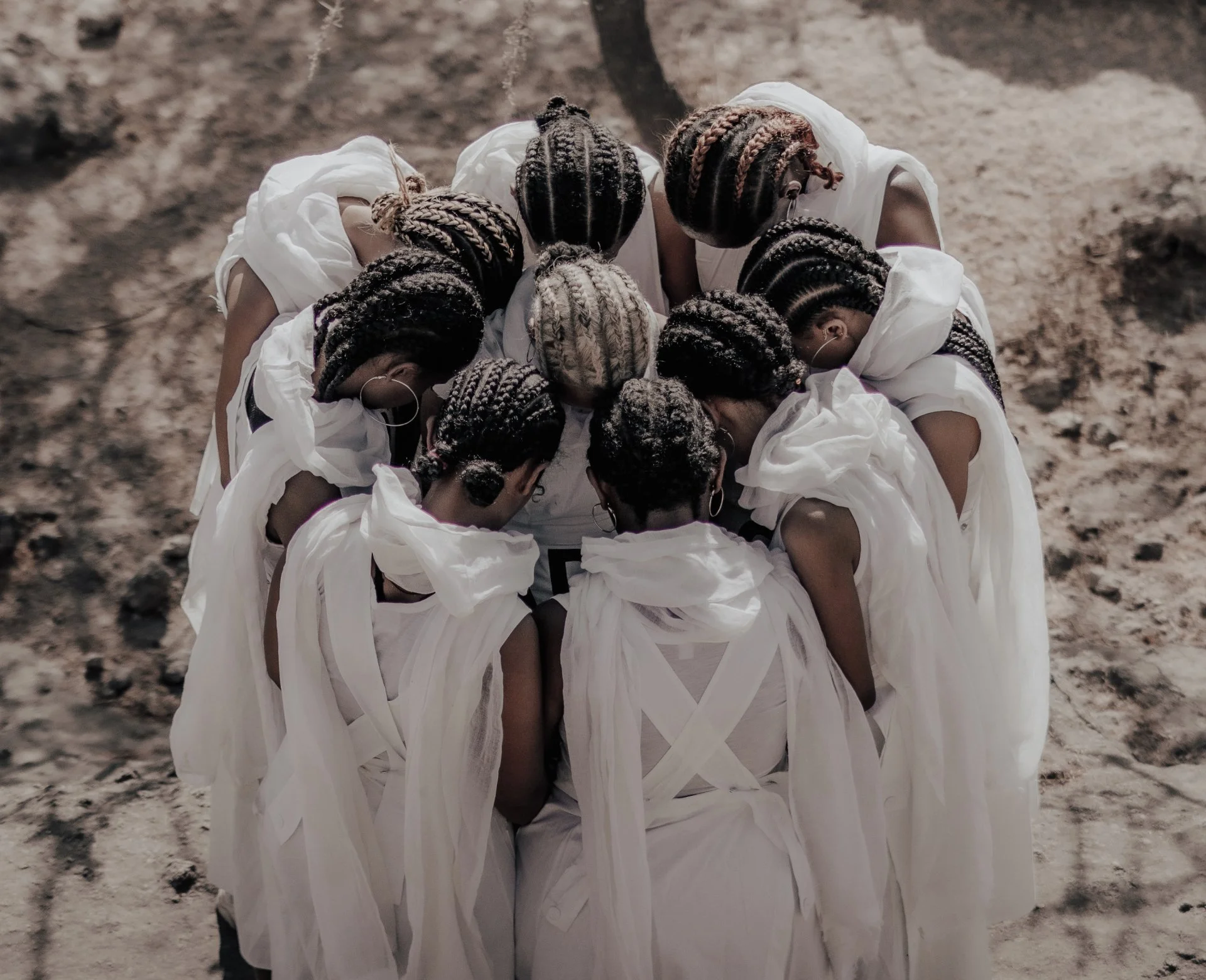
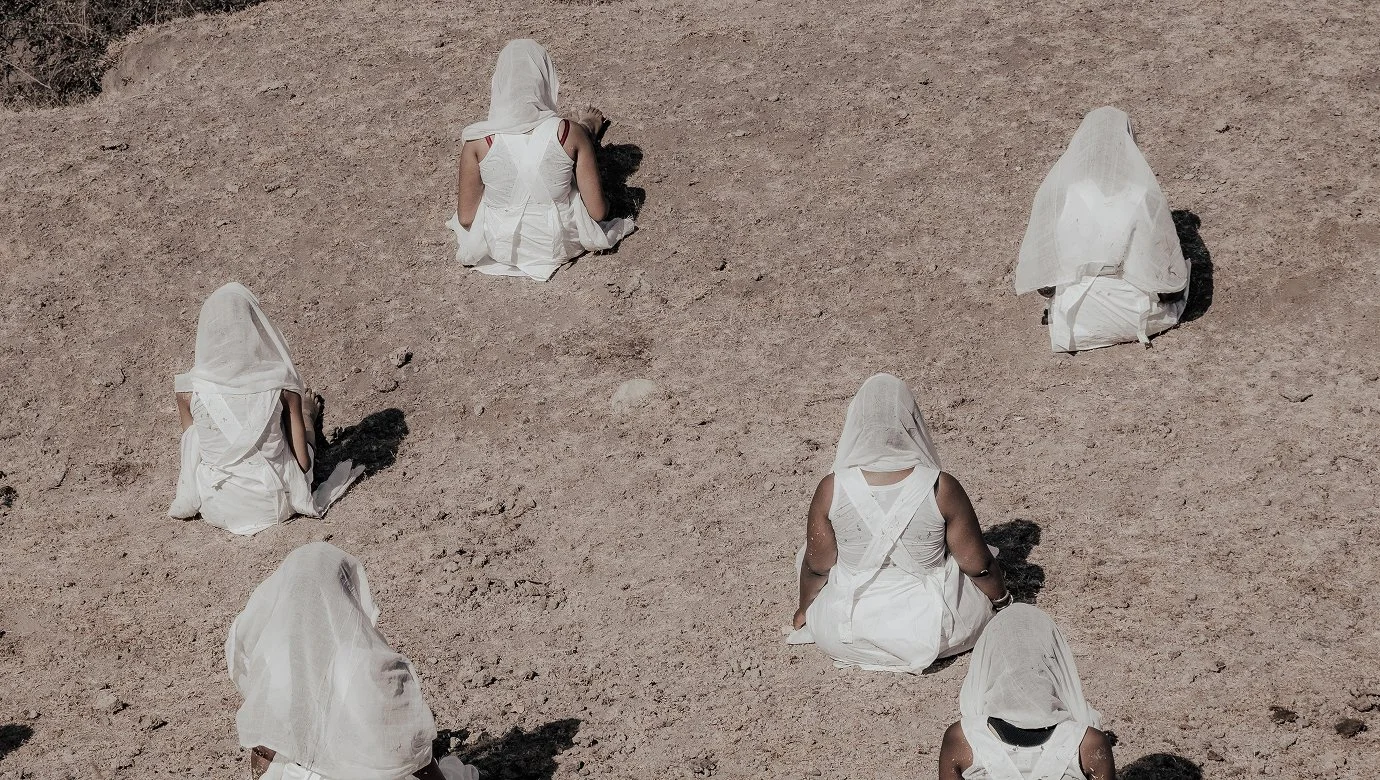
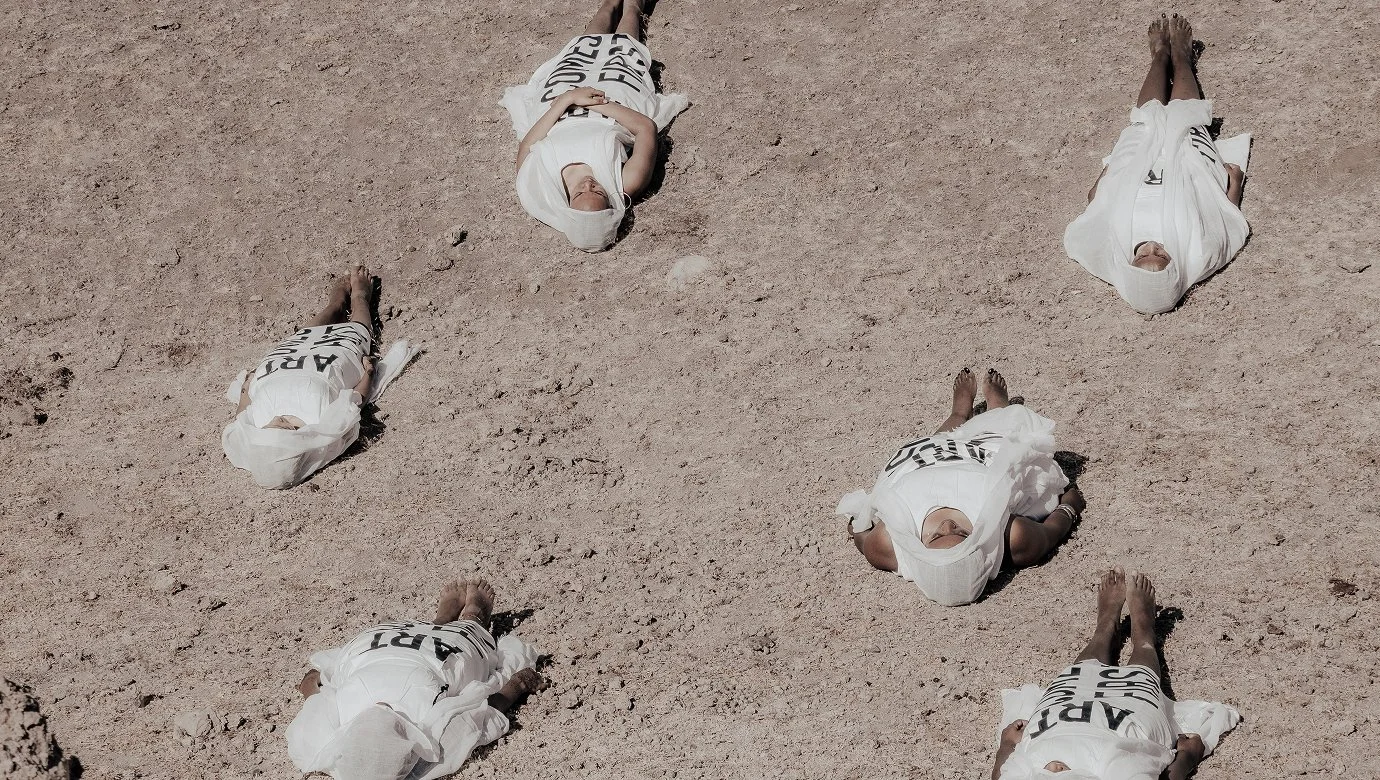
On arrival in the country, they found an army of keen collaborators, working with ACF on everything from location scouting to model casting. Shooting took place against the dramatic backdrop of Lake Langano and the Arsi Mountains, and the all-woman cast was given free rein to roam, directed only to feel at one with the earth and their surroundings. In keeping with the spirit of oneness, some of the most moving moments in the film are when they huddled close, braiding each other’s hair or simply embracing one another.
“We wanted to go to Ethiopia to broaden our knowledge and to network with creatives. When we got there, we found all we were looking for”
“We wanted to go to Ethiopia to broaden our knowledge and to network with creatives. When we got there, we found all we were looking for”
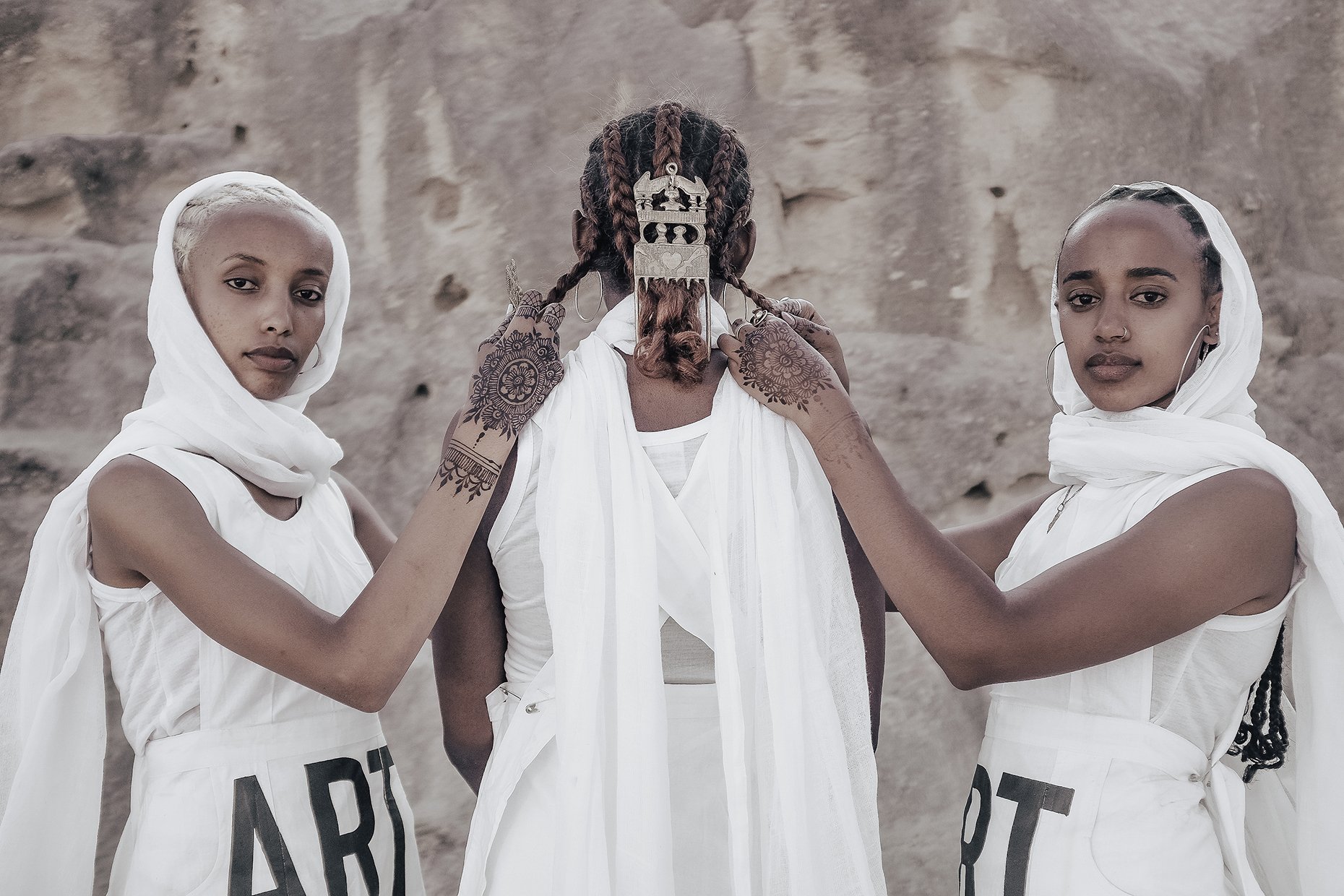
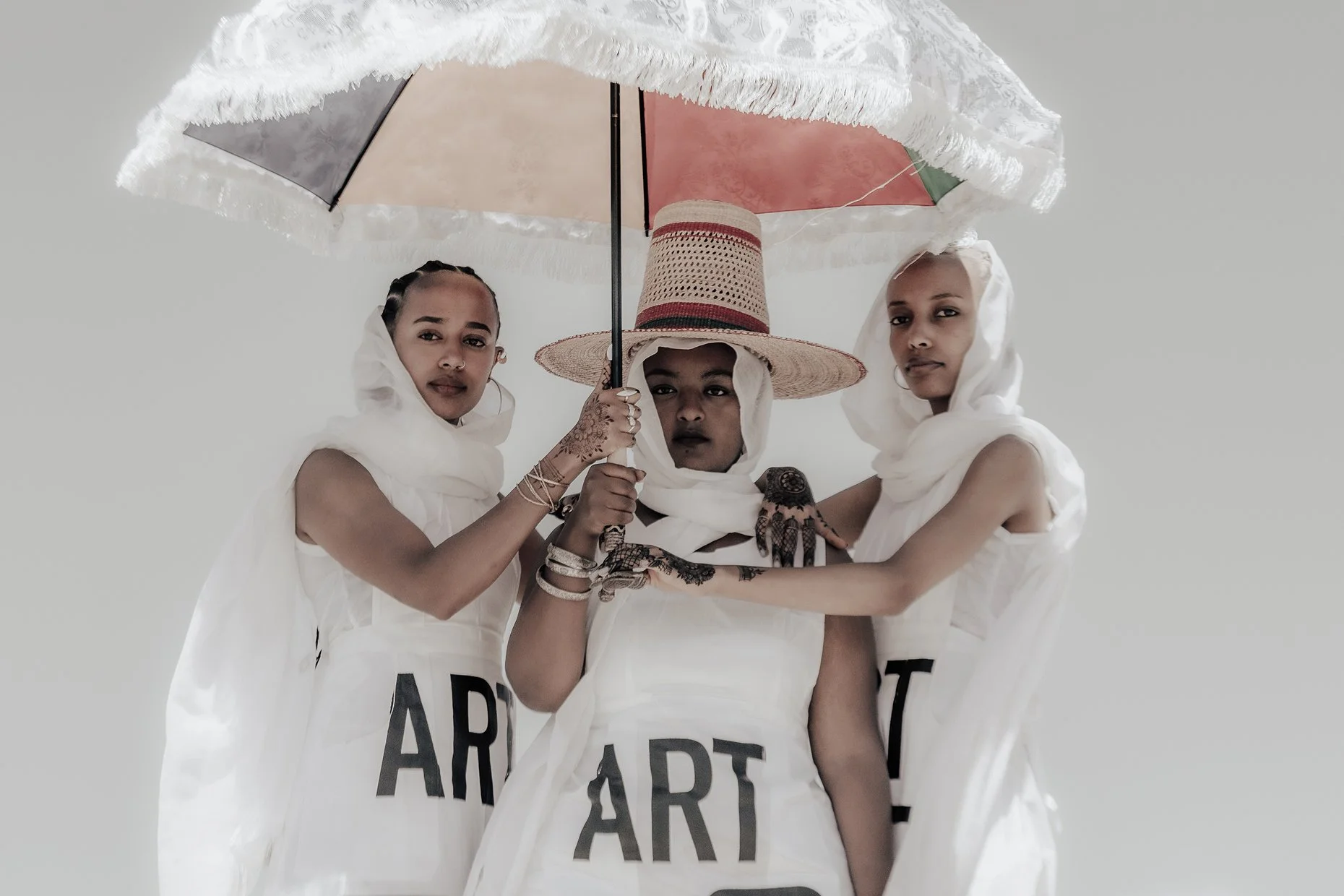
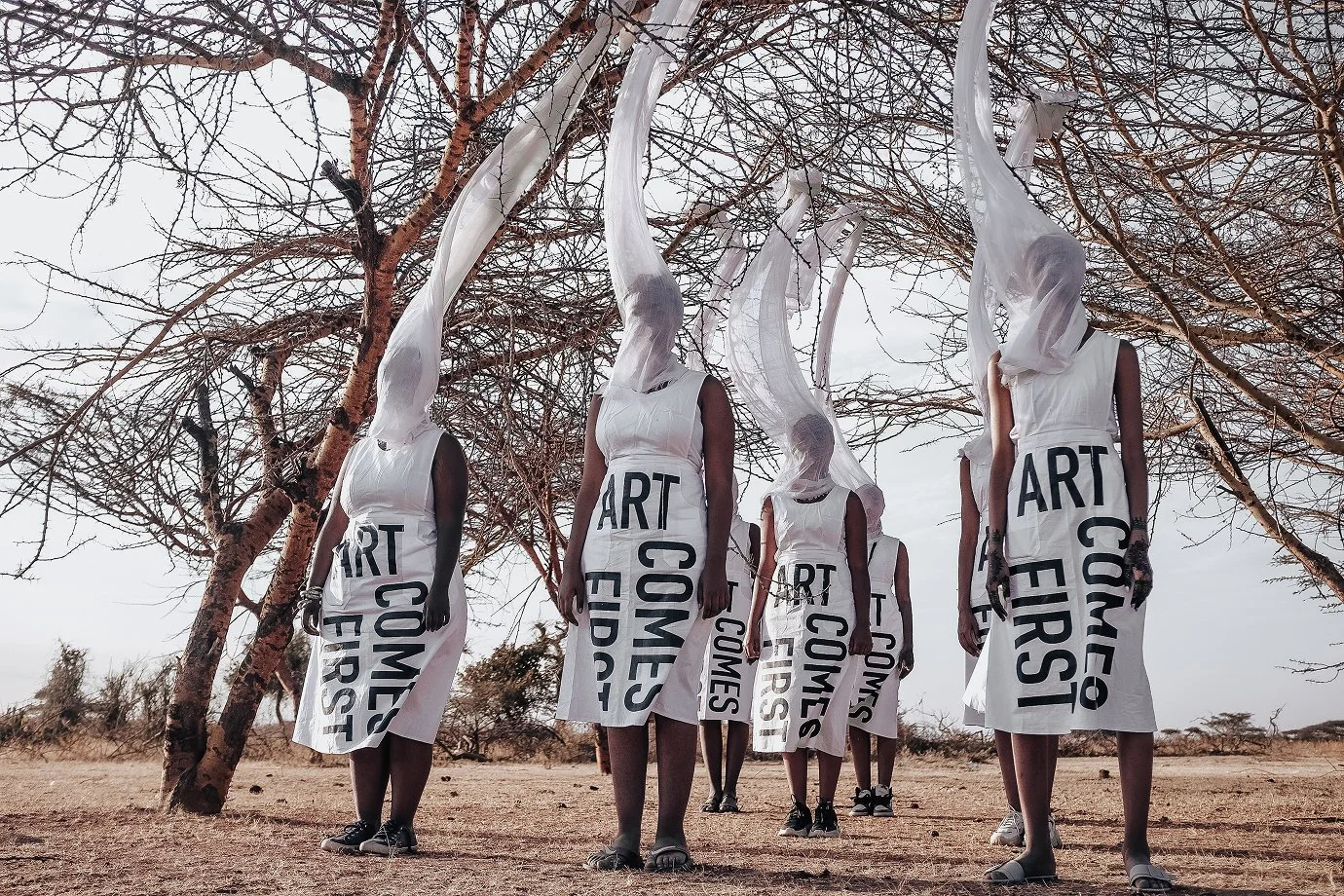
For well over a decade, ACF has been building a global community of like-minded punk sartorialists wedded to the art of craft. Angola-born Lambert and UK-born Maidoh met while working on Saville Row and, along the way, have collaborated with global brands such as The Kooples, Fred Perry and Ozwald Boateng. In line with their long-standing commitment to sustainability, the costumes in the film are made from 1960s deadstock fabric, which was originally used for aprons. The head wraps were made by local artisans using netela cotton, which also hangs down from tree branches and serves as a protest banner. “We wanted to illustrate Ethiopian craftsmanship in the use of this cotton which you see all across Ethiopia,” adds Lambert. “It’s important to us that we don’t just use the country we are going to as a backdrop, but to also draw on something symbolic, making the viewers see something they recognise and can be proud of.”
This is a work that seeks the positive in turbulent times. Watching the film reminds us that there is beauty in even the bleakest situations, and art is the only way of expressing that beauty. As Rube rhymes: ‘It is up to us to choose, can’t expect to be excused, from living life, from living right, we can’t forget the blues.’
Visit Art Comes First
Words Lithemba Velleman
Direction Sam Lambert & Shaka Maidoh
Videography Nahom Samunegus
Editing Gabriel Balcha
Clothing Avec Ces Freres
Spoken word Big Rube