


The accomplished Kenyan poet shares two poems that come from places of love, melancholy and longing
Photography
MAGANGA MWAGOGO
Words
WANJERI GAKURU
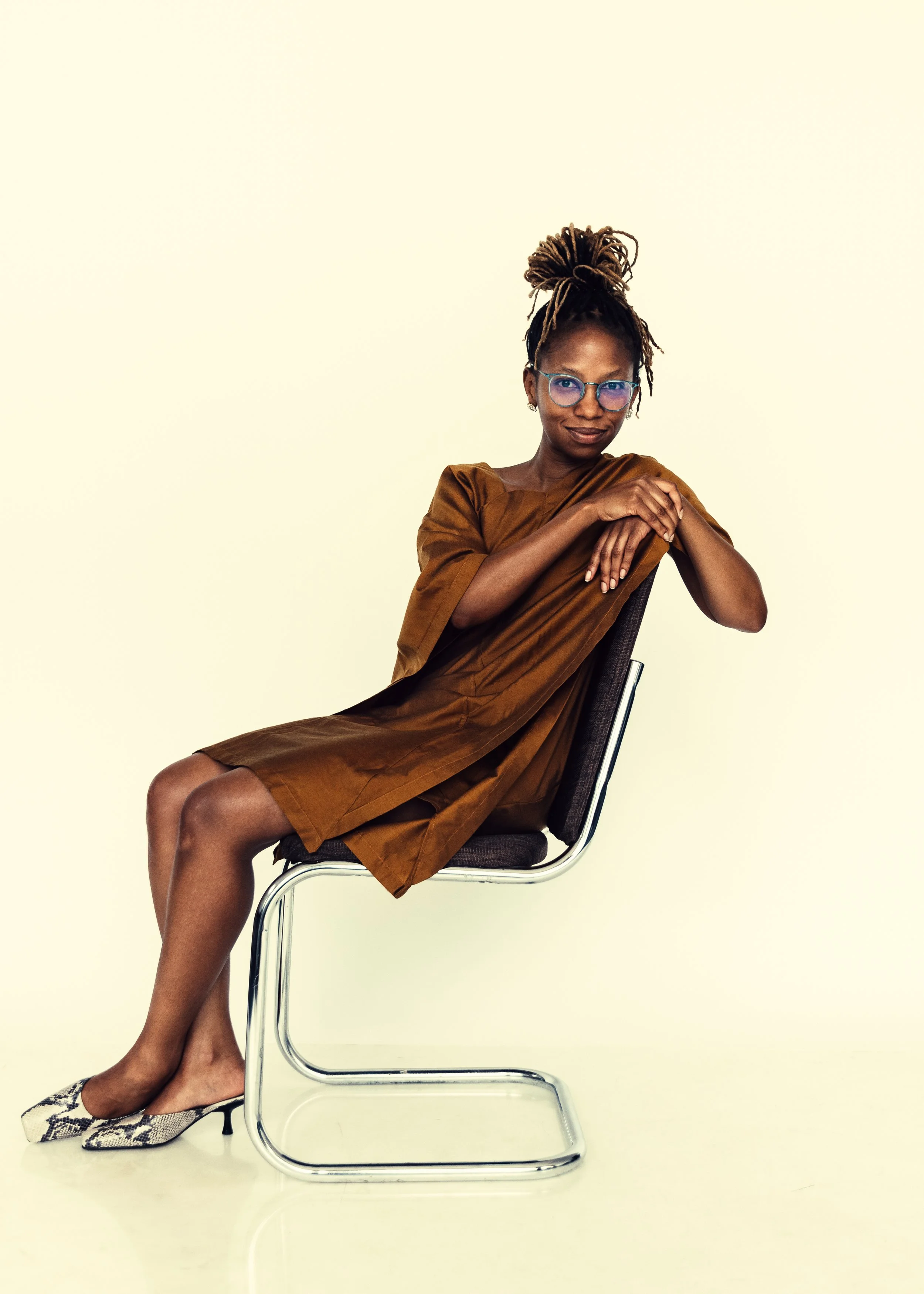
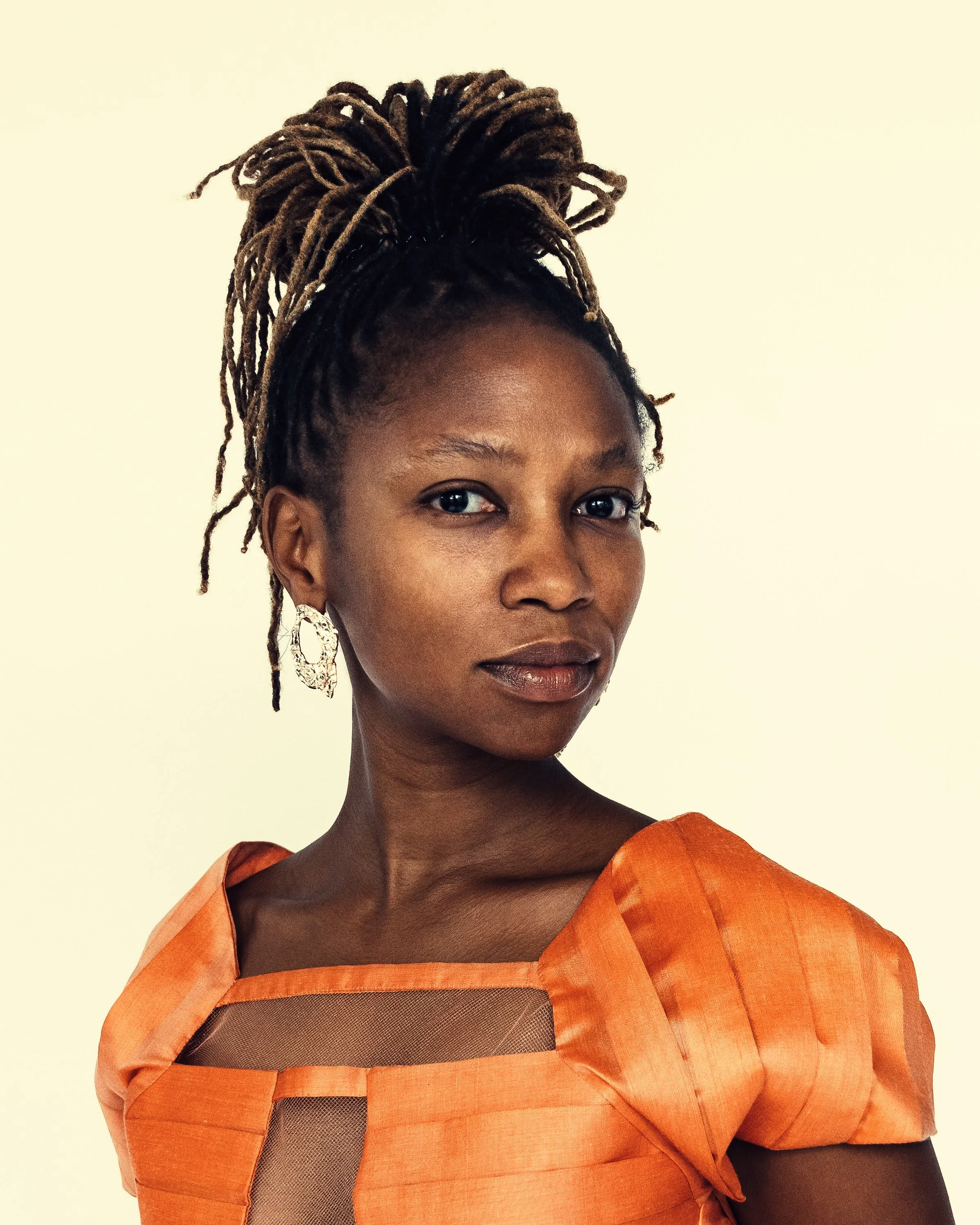
Ngwatilo Mawiyoo’s poetry centres the everyday. There is a palpable yet gentle insistence that we must face ourselves just as we are. Mawiyoo’s work shows how the regular can be valuable and joyful. Her first collection, Blue Mothertongue, was published in 2010 and her accolades include being shortlisted twice for Brunel University’s African Poetry Prize and nominated two times for the Pushcart Prize. The Kenyan creative has also enjoyed successful outings as a copywriter, editor, filmmaker and actor. Her ongoing writing project Witness & Dream explores the lived experience of diverse rural Kenyan communities. It has taken her to live with several families, each over a period of 10 days, and inspired her 2016 chapbook, Dagoretti Corner, edited by Chris Abani and Kwame Dawes.
For Nataal’s Romanticism issue, Mawiyoo shares ‘Shell’ and ‘Dispatch’, poems redolent with ache and longing; seeking connection. We speak to her about using her artform to move toward happiness in these uncertain times.
Wanjeri Gakuru: In what ways do the poems you’ve shared with us speak to romanticism?
Ngwatilo Mawiyoo: I tried to select poems that came at ‘romanticism’ in different ways. I am not sure that there’s an aspect that they collectively speak to. ‘Dispatch’ is definitely about human touch. It’s about a person driven out of their comfort zone because of a loneliness they’ve been experiencing, as they wake from it and examine their state of mind. I know ‘Shell’ has a heaviness to it that some might resist right now. For my part, as soon as I saw it, I knew it needed to be in the mix.
Now that I need to think about why, I think it’s because of this closeness between mother and daughter, the longing for a past moment (with the mom), a lost relationship (and betrayal) with the father – and at the heart of it, this remembered touch, repeated in time. It's a romanticism that is rife with melancholy. It has a bit of that sense of incomprehensible loss so many have
WG: What other work might these pieces be in conversation with? And are they part of a larger body or work?
NM: ‘Shell’ is in keeping with a different (for me) take on dying and grief, a theme I have been interested in for some years now. It first appeared in the Boston journal, Clarion. ‘Dispatch’ is part of a series or collection of love poems I am currently working on.
WG: Was it particularly difficult or complicated to revisit old work in this time? Has poetry come to have a new meaning for you?
NM: These poems have definitely come to have new meaning, new resonances, if you will. Earlier in the pandemic was a tough time for me, in terms of sharing work, though I did try to be intentional about creating and crafting even then. In the period since, I’ve reconnected with the joy of having work out in the world, though not yet in a ‘live’ situation. I am planning to try that in an outdoor setting soon. We’ll see whether it feels workable.
WG: Do you have anything planned down the road?
NM: All of it. I’m working on putting out a chapbook of love poems this year, and also hopefully a sound and limited print series that celebrates and extends the impact of green public spaces. I’m keen on work focused on joy, and what’s beautiful and precious. It doesn’t mean that any of it is uncomplicated, but I want to go towards glee and delight.
Dispatch
A poem by Ngwatilo Mawiyoo
Morning, and springtime birds. I’m in a man’s bed,
doing without sleep, without toothbrush, my cereal.
The man is utterly different from any other I have known.
I watch the fishes on his arm, wait for their counsel,
read the pink and orange flowers on his chest like tea leaves.
Disorientation must be the price, answer to my long craving for touch.
All night I’ve listened to his breath over my metronome,
endured the light arpeggio, deep nasal crescendo of his interior passages.
How little I know myself.
Did I also crave this rasping extension of touch?
Shell. After Daley
A poem by Ngwatilo Mawiyoo
The last time I saw my father I watched him hold my mother,
the palm of his hand covering her nape,
four fingers lost in her afro,
thumb in the hollow behind her ear.
And then he let her go,
slid his fingers out the way he came — I didn’t see his face.
I carry the moment of a hand on a nape,
the arc of my mother’s back, how tall she stood then,
limbs curved the angle of glee.
All I know is, while she lay dying, my own hand covered her nape;
my hand, raw like the inside of a coconut after the soft meat is scraped.
Words Wanjeri Gakuru
Photography Maganga Mwagogo
Visit Ngwatilo Mawiyoo
Nataal is a media brand and creative studio dedicated to diverse storytelling around Africa and beyond
© Nataal 2026.