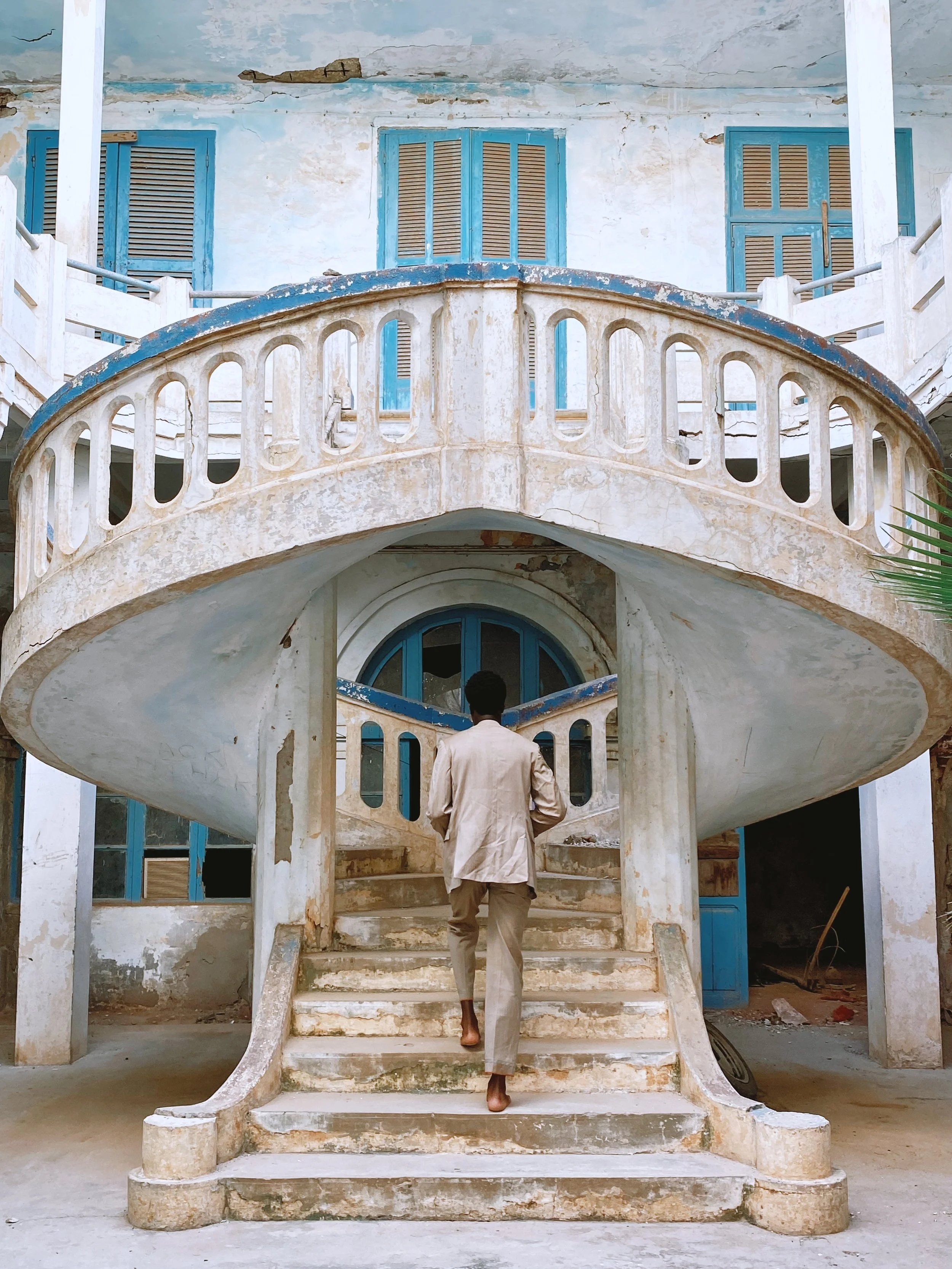


Senegalese architect Mamy Tall finds the poetic romanticism that lives within her country’s built environment
Photography
MAGANGA MWAGOGO
Words
WANJERI GAKURU
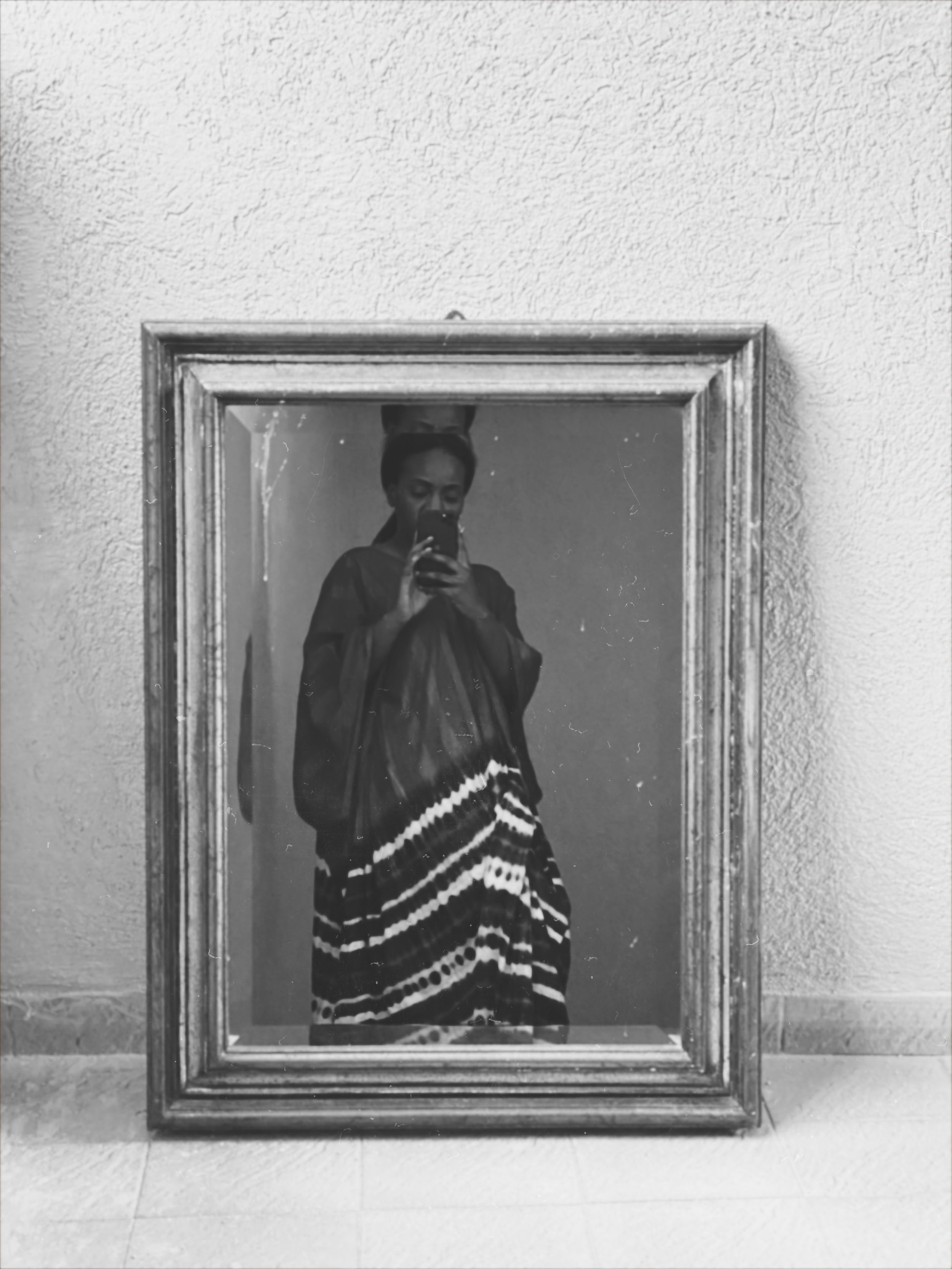
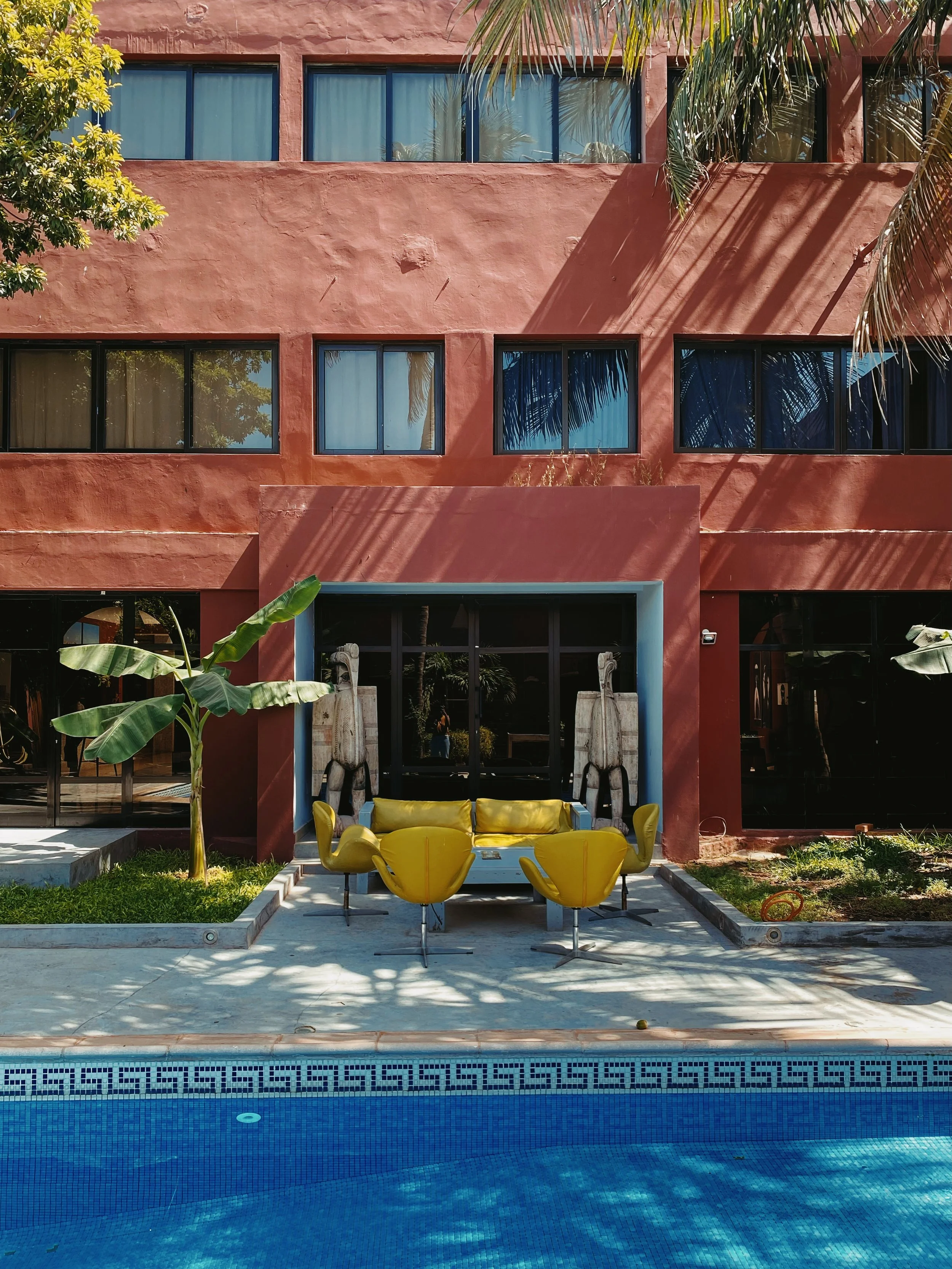
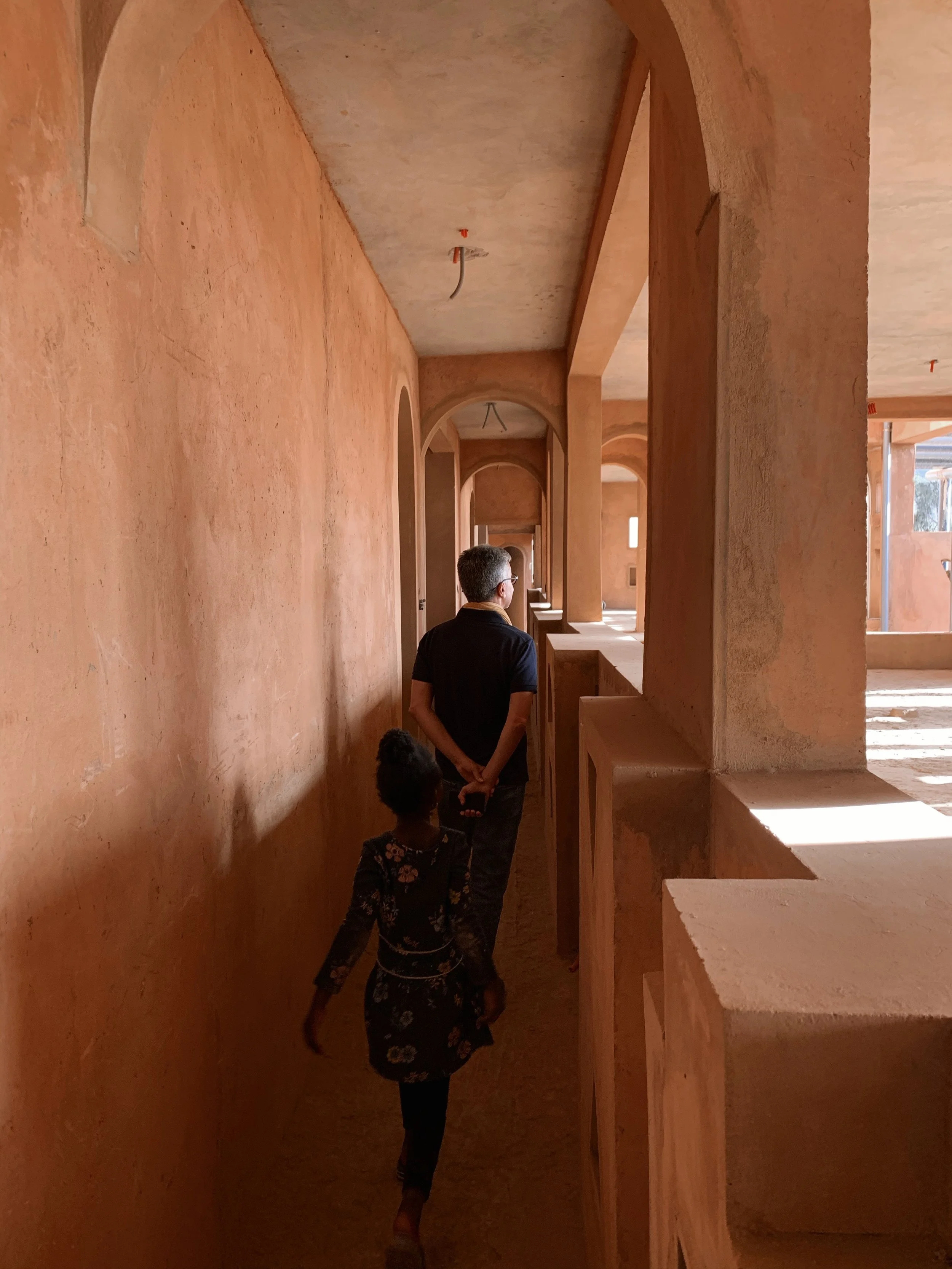
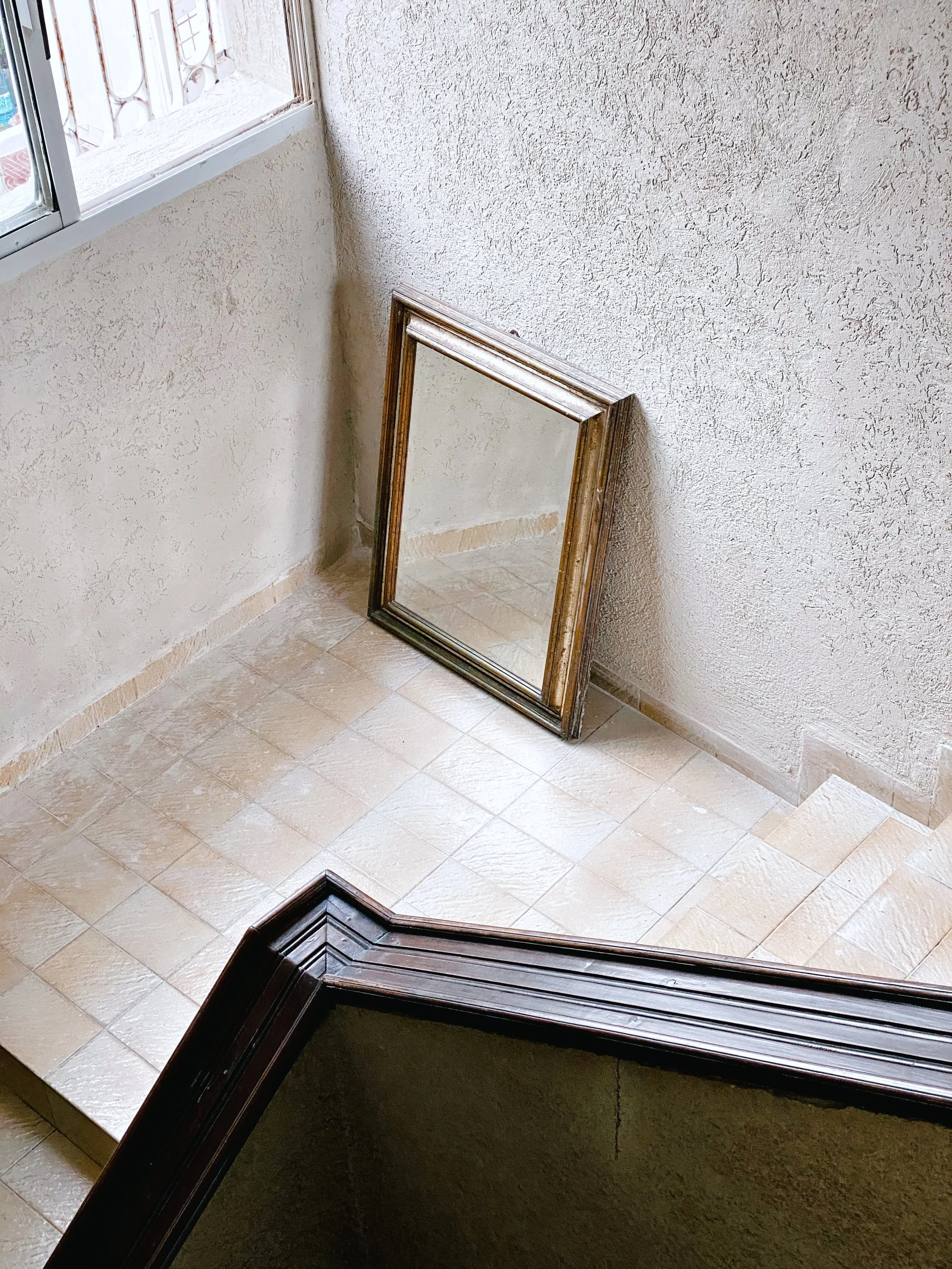
In architecture, when it comes to romanticism, we talk about beauty, ideal, an architecture that expresses ideas and impressions that generate an emotional reaction and attempt to create an image of perfection. Yet contrary to the idea of perfection from classical romanticism, the beauty of Senegalese romanticism is found in its imperfection.
In architecture, romanticism is expressed by the classical style of the plateau, which gives a charming side to the city despite the daily frenzy that we find there.
It can be found in the alleys of a neighbourhood like the Medina, bathed in the colours that cover its heavy historical past.
It can be found in the poetic expression of the buildings resulting from the asymmetrical parallelism, a theory of Léopold Sedar Senghor guided by rhythm and used in other artistic fields such as painting and music.
It can be found in the religious buildings that bring us together and that we are familiar with.
It can be found along the colourful streets of the two beauties that are Goree and St. Louis Islands. Over the years, the inhabitants have managed to appropriate an architecture resulting from colonialism, which has become a symbol of national pride.
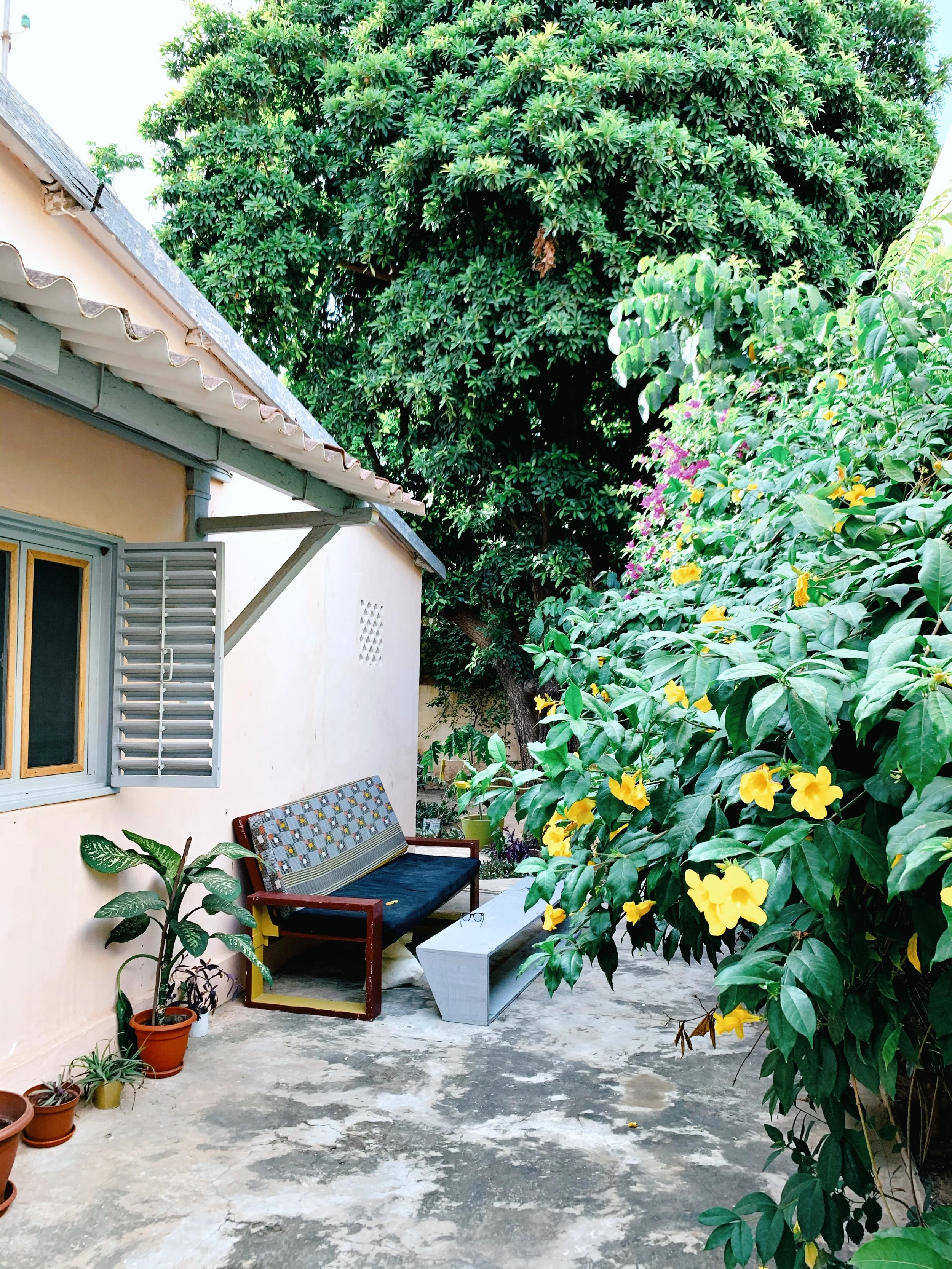
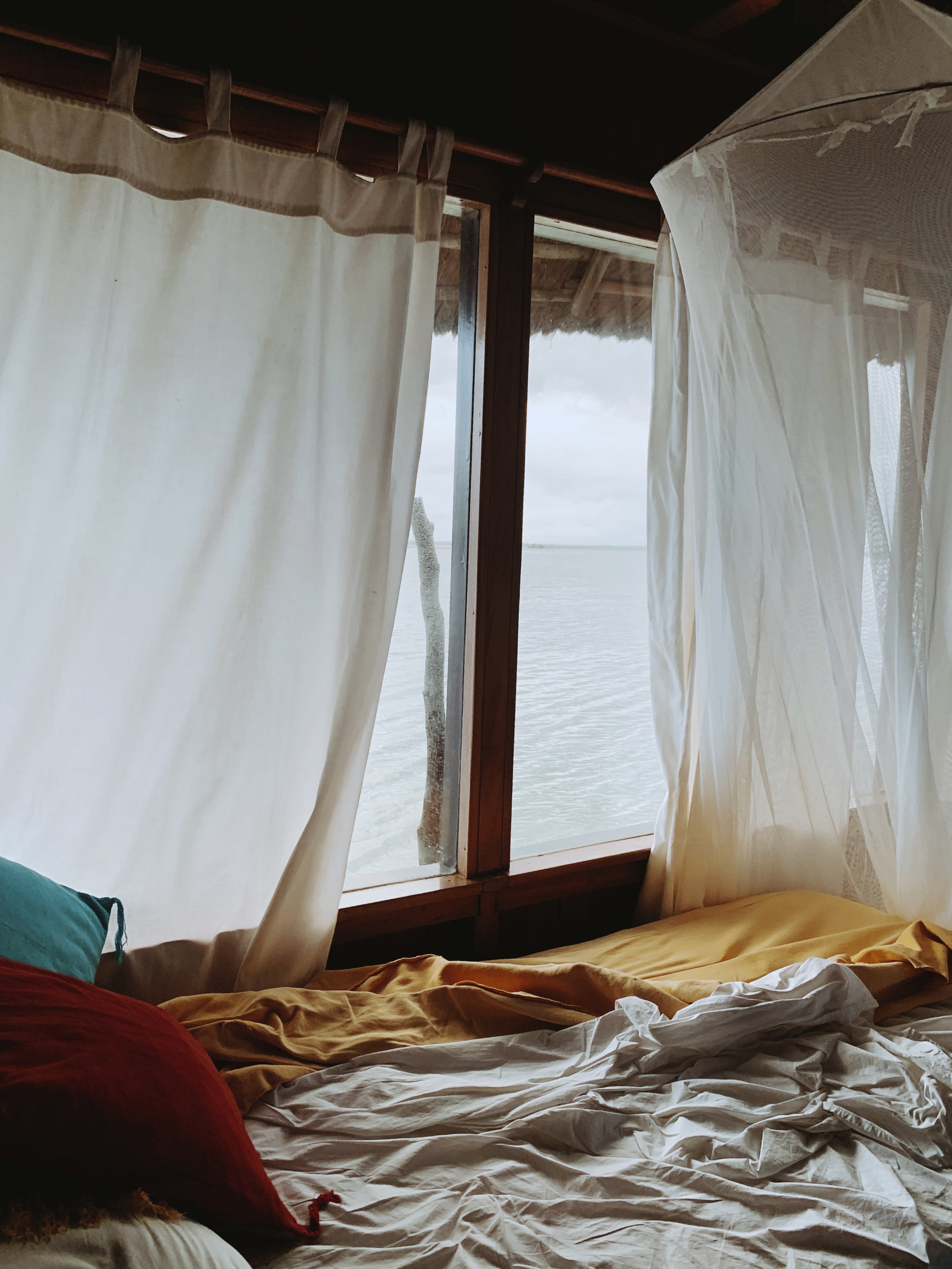
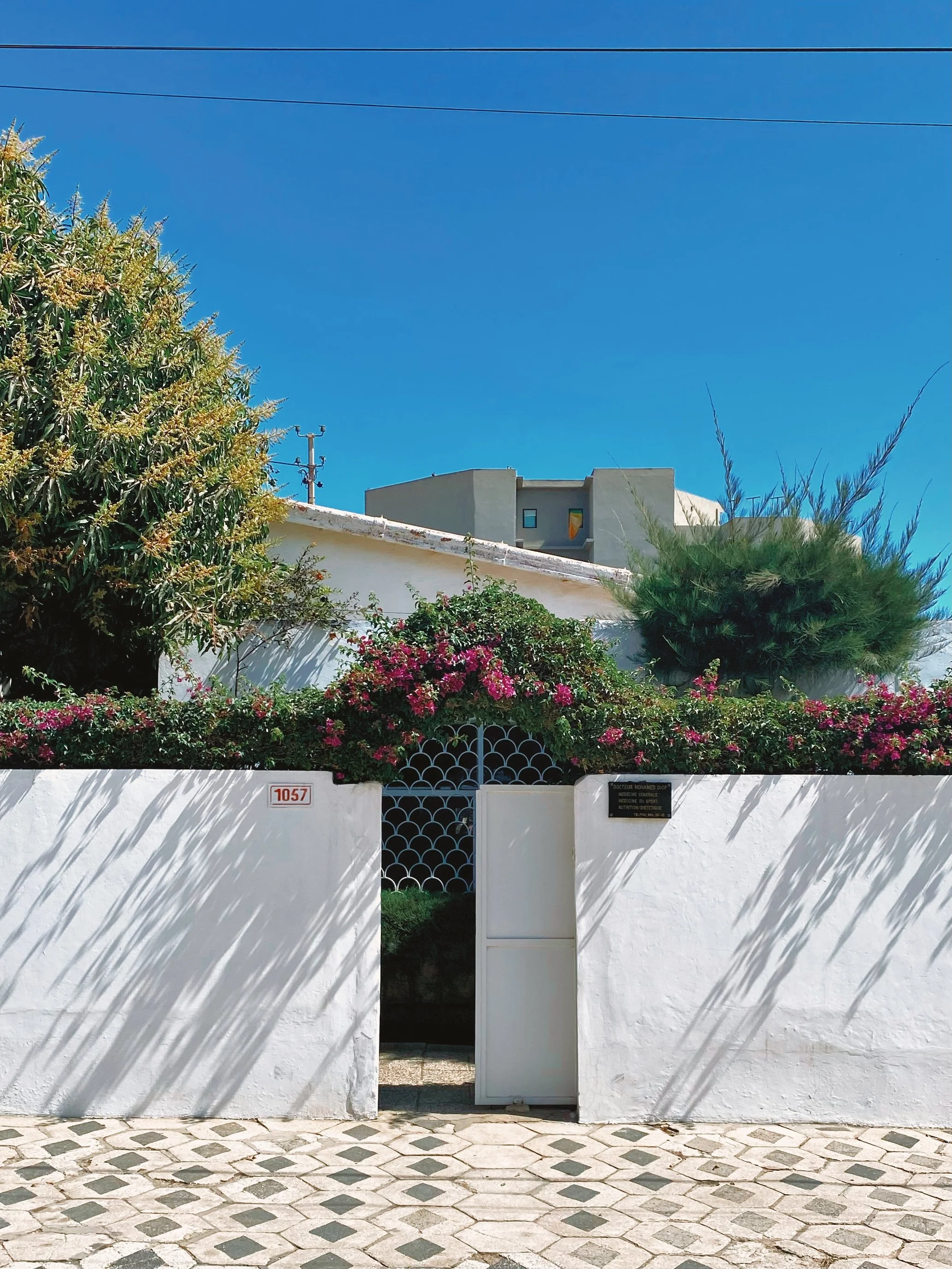
Behind each door and each window, a different story. The stroll leaves free rein to our imagination to visualise these scenes of hidden romance.
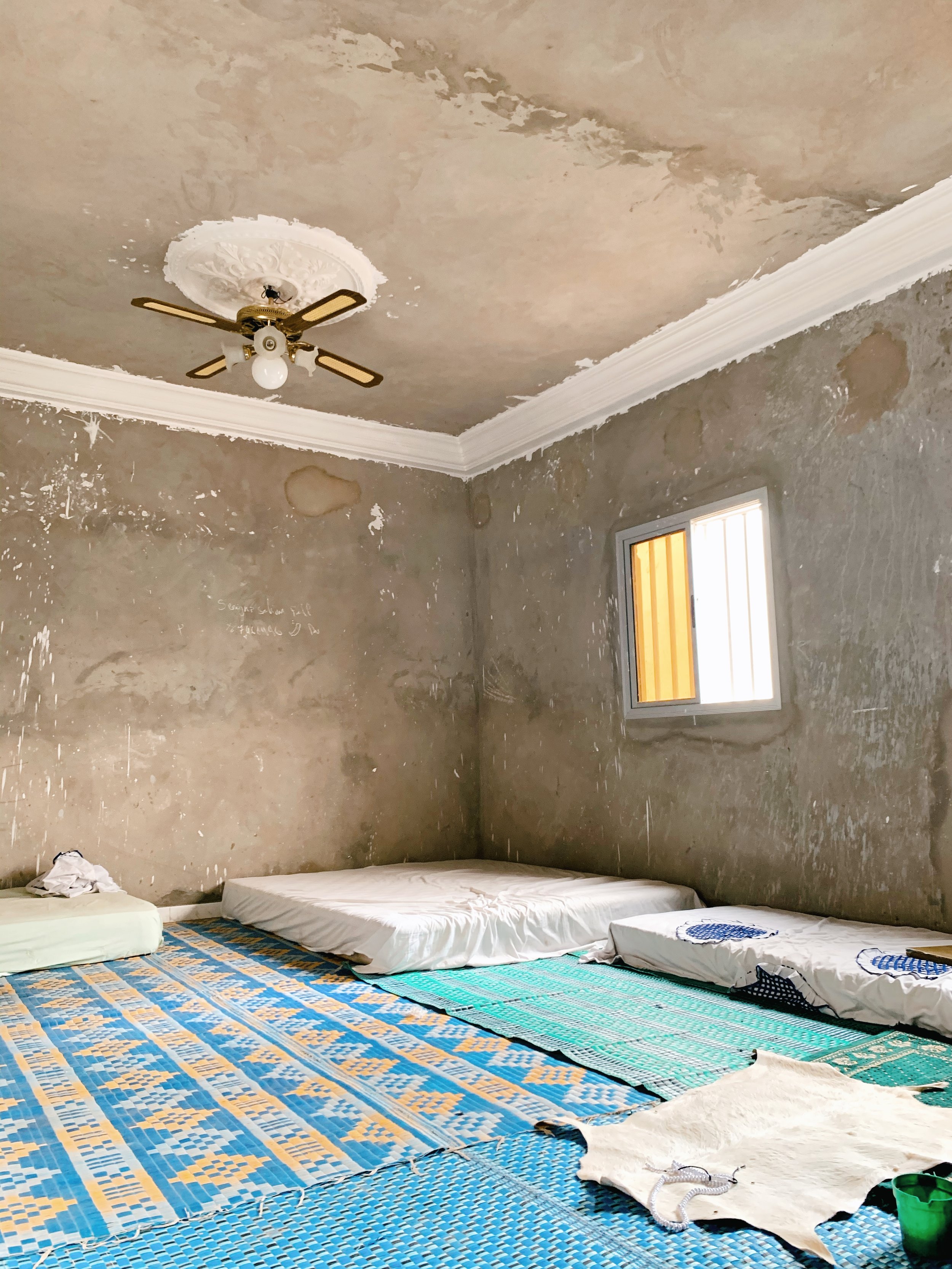
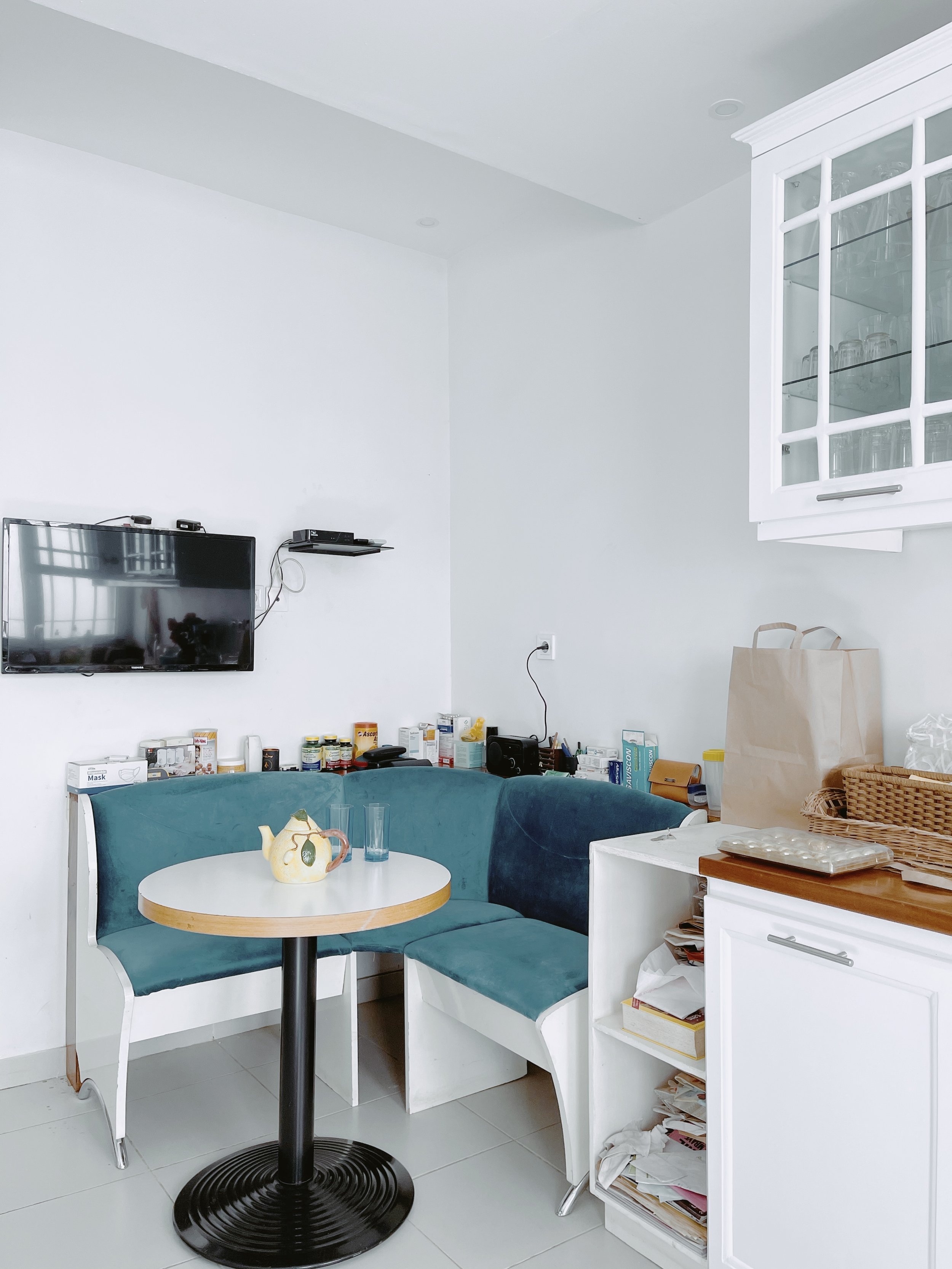
We also (mostly) find romance in a 40-year-old house, a bit faded by time, where several generations of the same family live, the Senegalese dream.
When we talk about romance, we immediately hear love. This term has a modest interpretation in our society but is very present and manifested in other ways, by simple symbolic gestures. With time and use, the space evolves and gives place to unique moments that we appreciate daily without realising it.

Film here
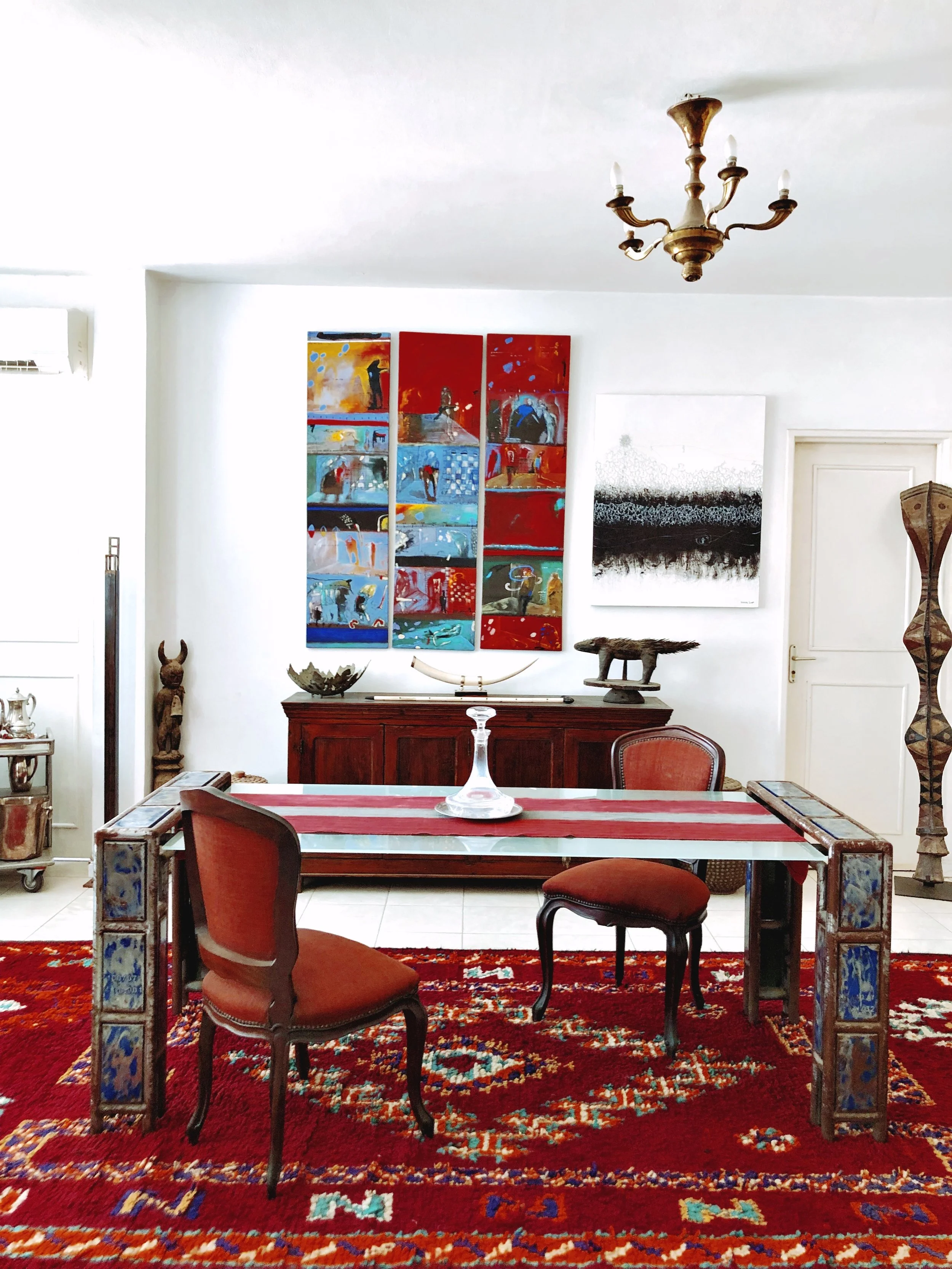
Imperfection becomes emotional because it is linked to the history of the place. Rooms in perpetual evolution in a frozen space, from living room to dining room, from dining room to prayer room, from prayer room to sleeping room. The laundry drying silently in the sun. The living room where one never goes because it is reserved for big events, unique and common moments marked by the conviviality and habits of the inhabitants.
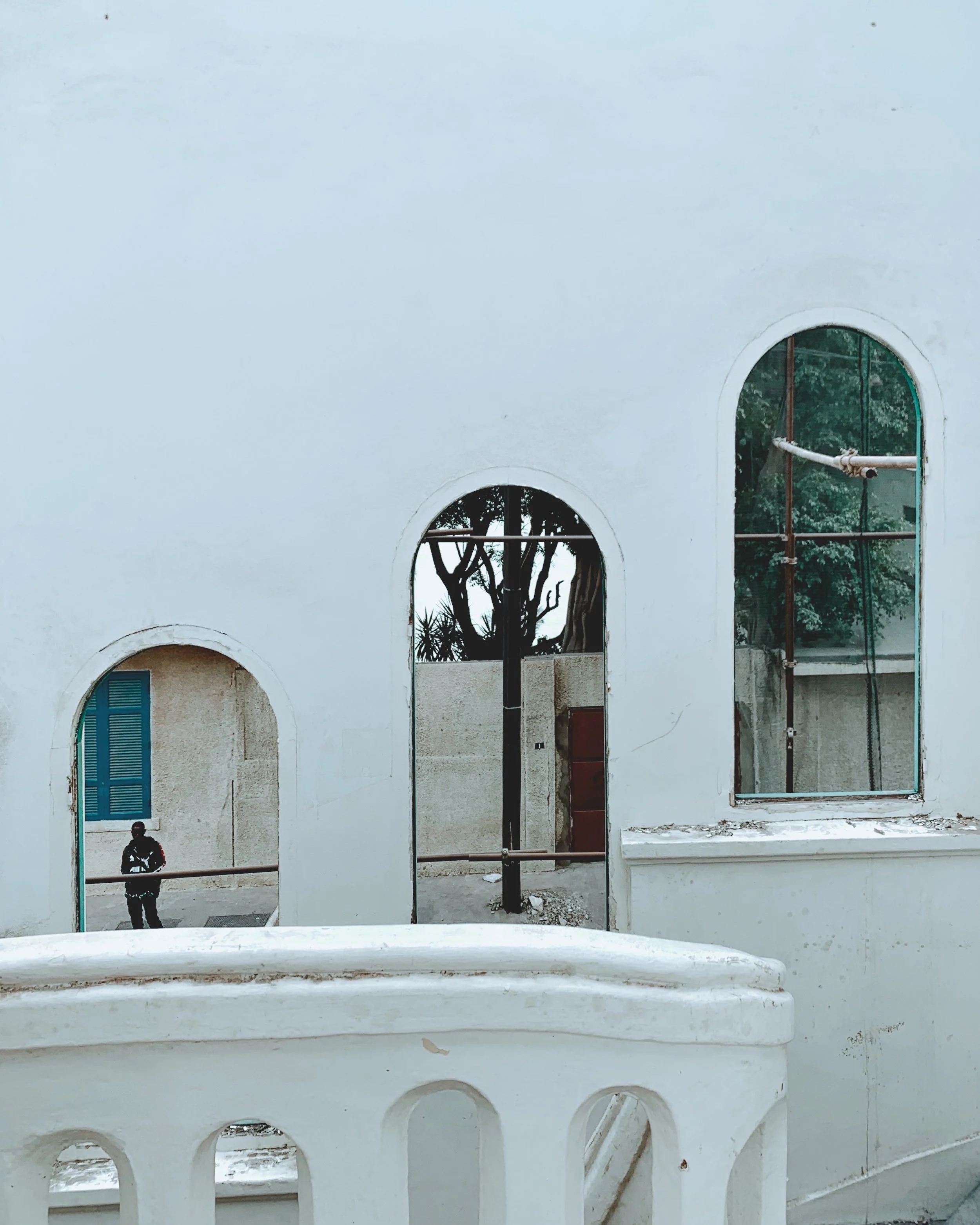
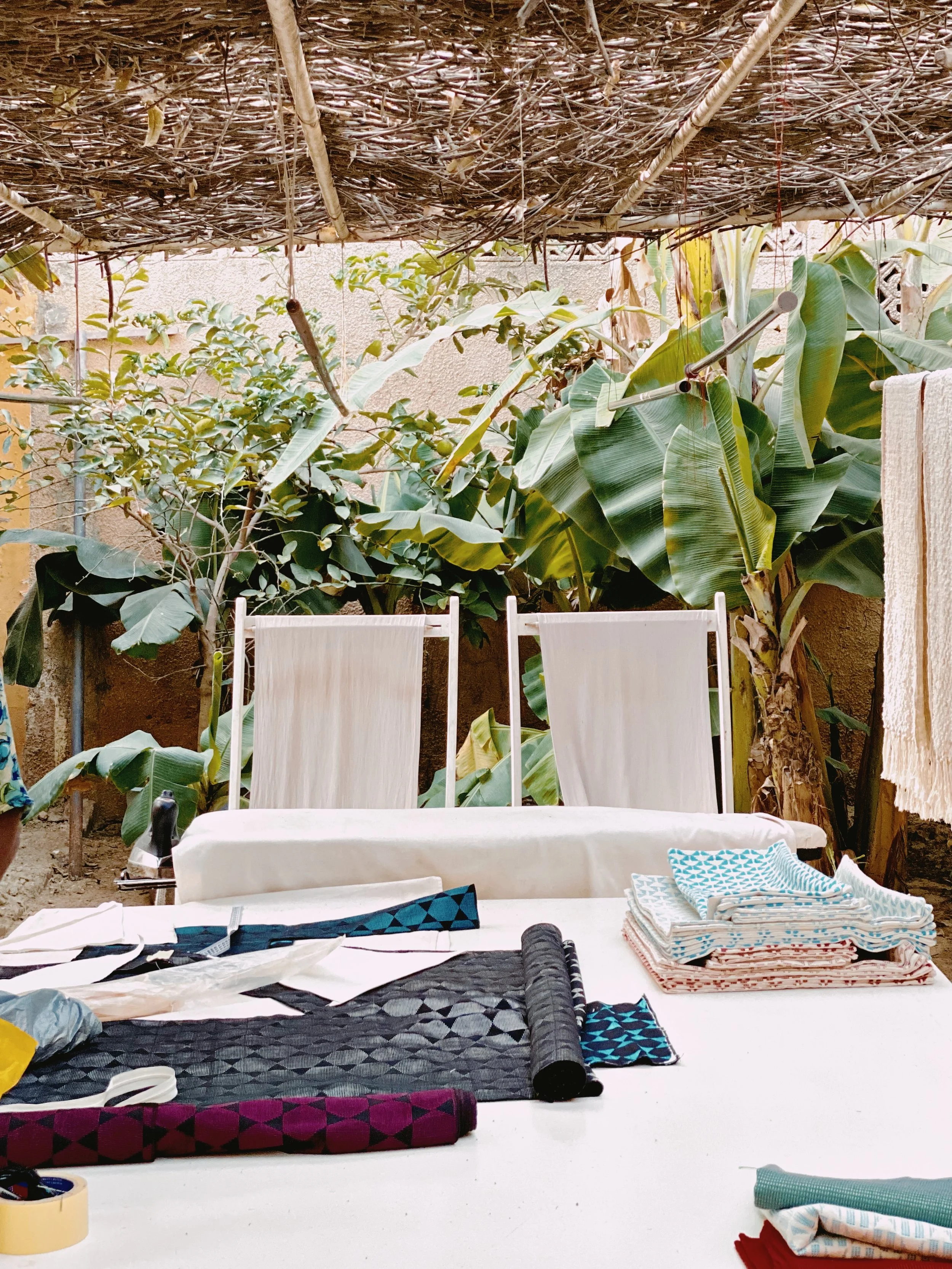
Finally, romance is expressed through street scenes, those frames that we see every day and that leave us indifferent.
Love has a particular expression in the streets, it is present but does not show itself. The singularity of its expression is manifested by the foundation of our culture, which is the Teranga.
The omnipresent brotherhood, the beauty of a couple in public showing more complicity than love, the respect of the elderly no matter their class, the greetings between strangers, the familiar landmarks like the coffee vendor at the end of the street.
When time stops around us and we take the time to observe them, they allow us to understand our way of life, our traditions, our habits, all those elements that make us who we are. And Romance is definitely part of it.
Words XXX
Photography XXX
Visit Mamy Tall

Nataal is a media brand and creative studio dedicated to diverse storytelling around Africa and beyond
© Nataal 2026.