When pan-African food, craft and heritage collide in the Agafay desert
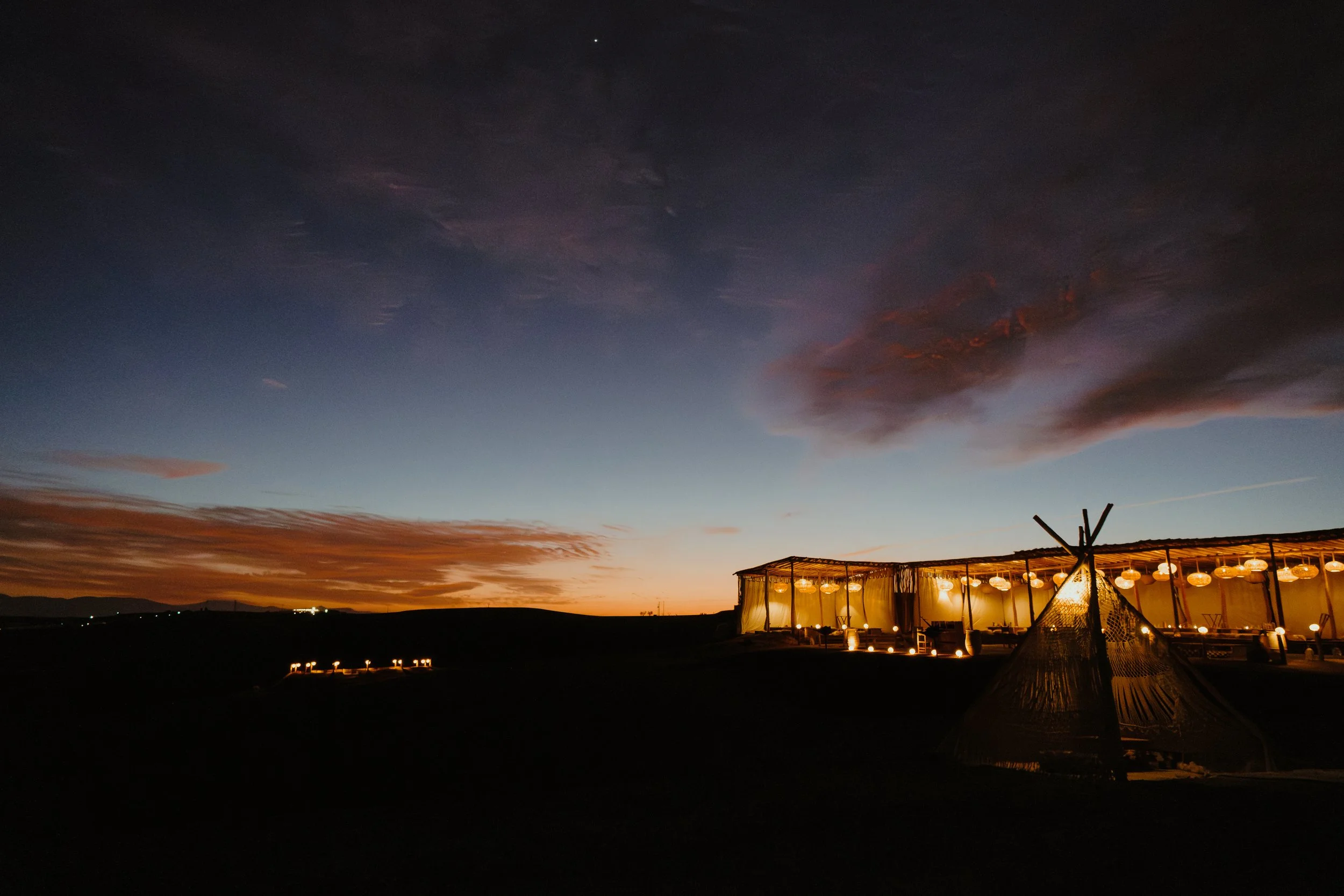
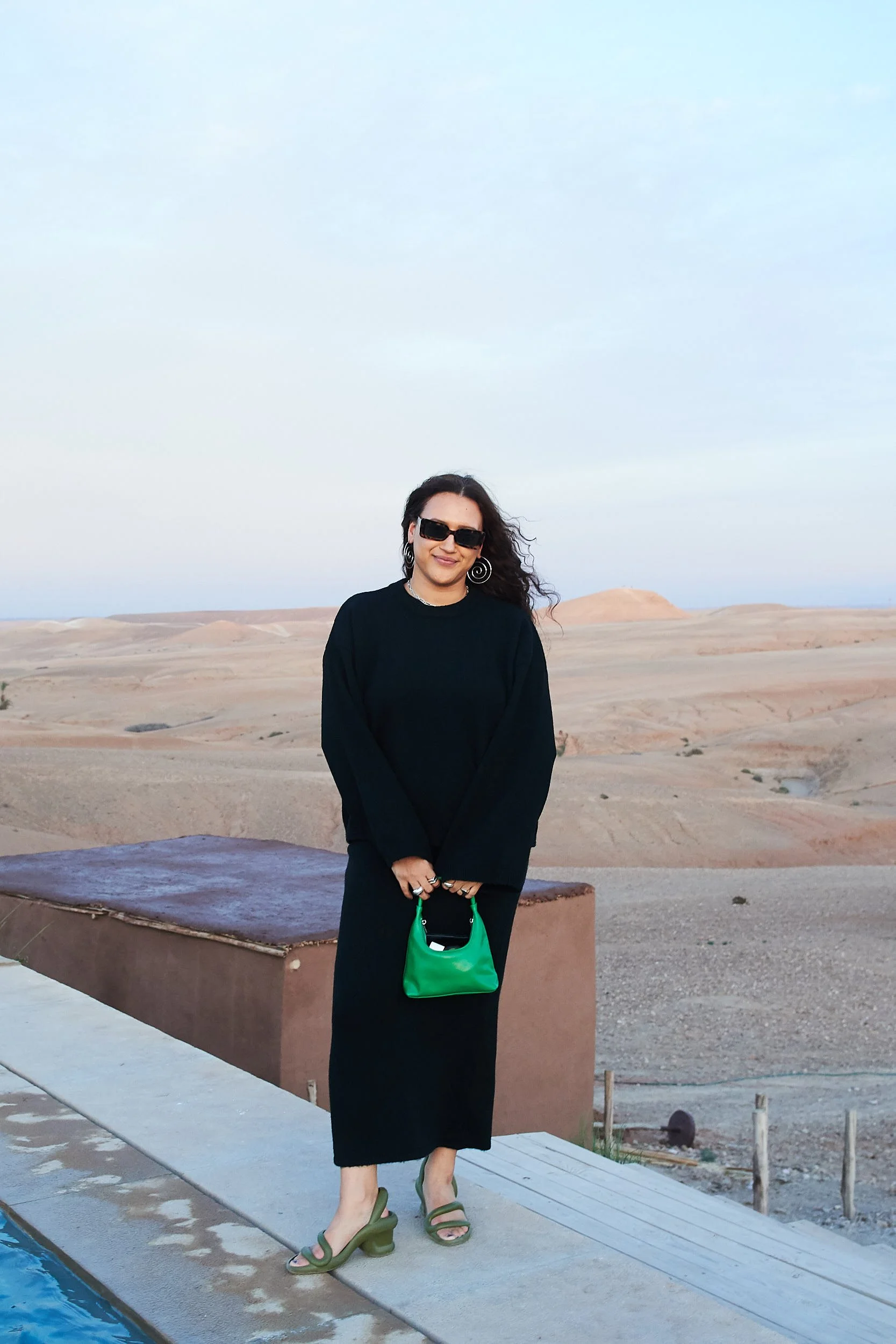
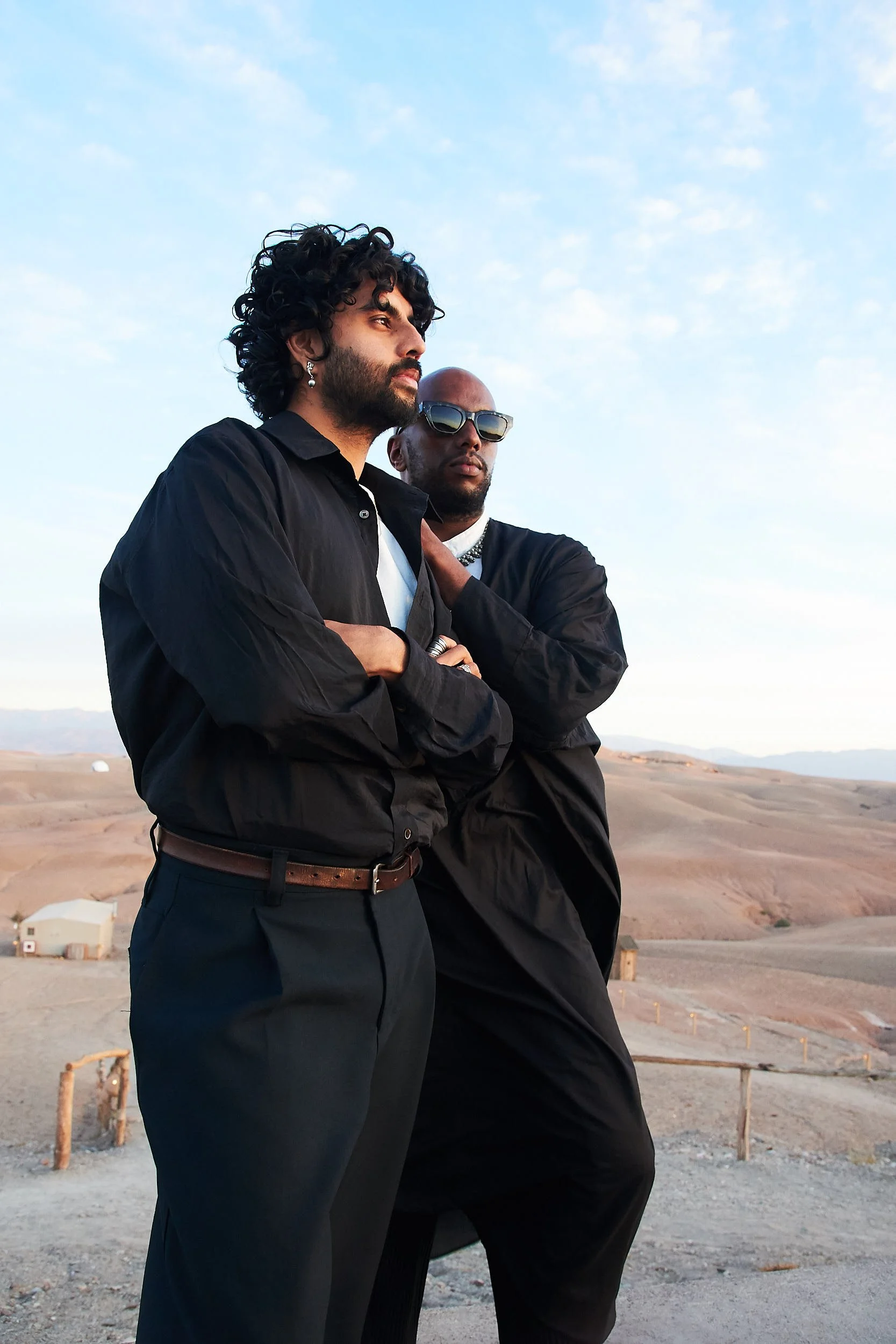
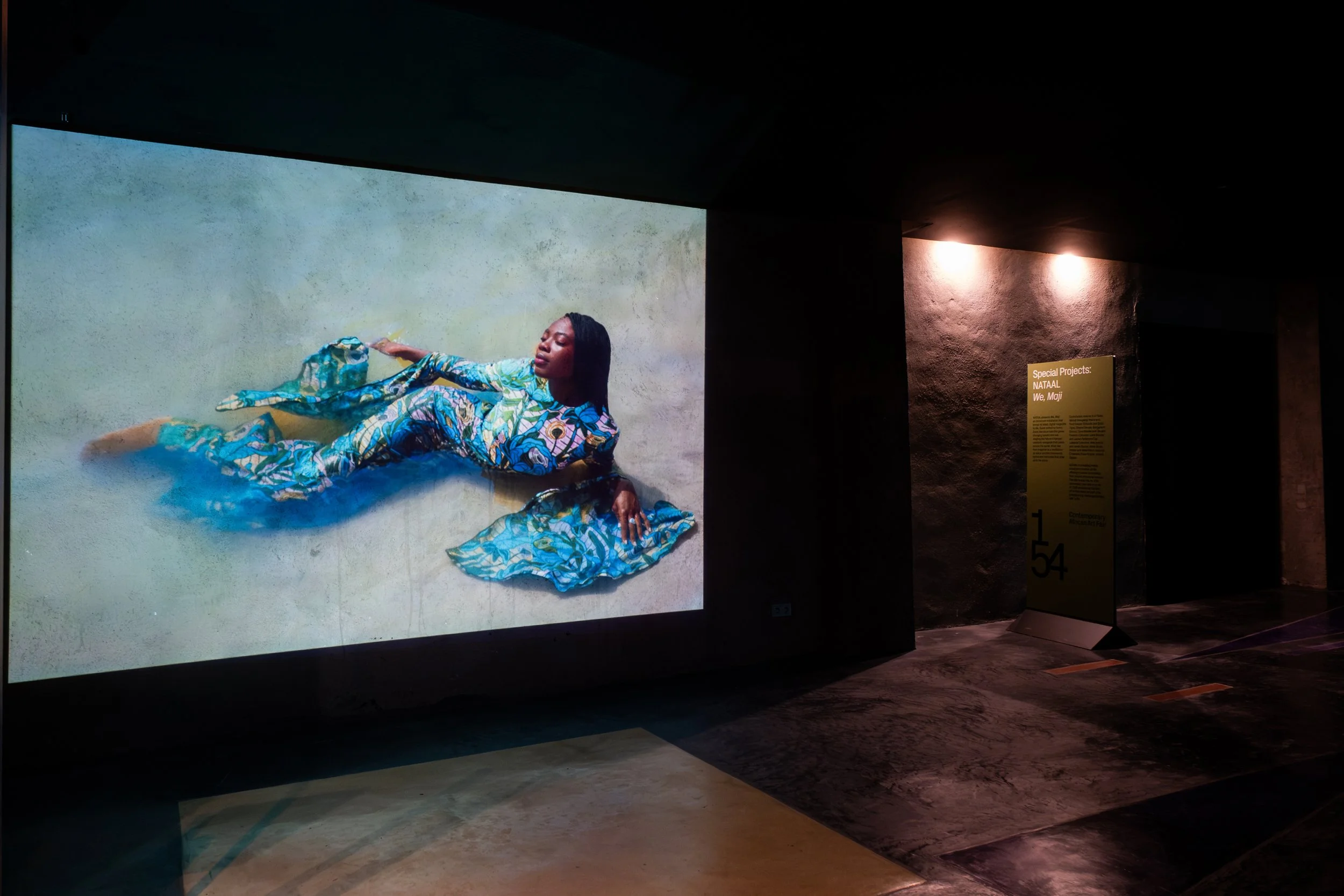
Under the stretching shadows of a cinematic sunset in the Agafay desert, an intimate gathering convened in celebration of shared stories and a love of food, art and craftsmanship. To launch Nataal’s digital issue, WE, MAJI, and it’s activation as a Special Project of 1-54 Marrakech, Nataal and Asoni Haus co-hosted a private dinner at AlKamar Camp, bringing together a multi-sensory experience guided by the issue’s central theme - meditations on the power and symbolism of water.
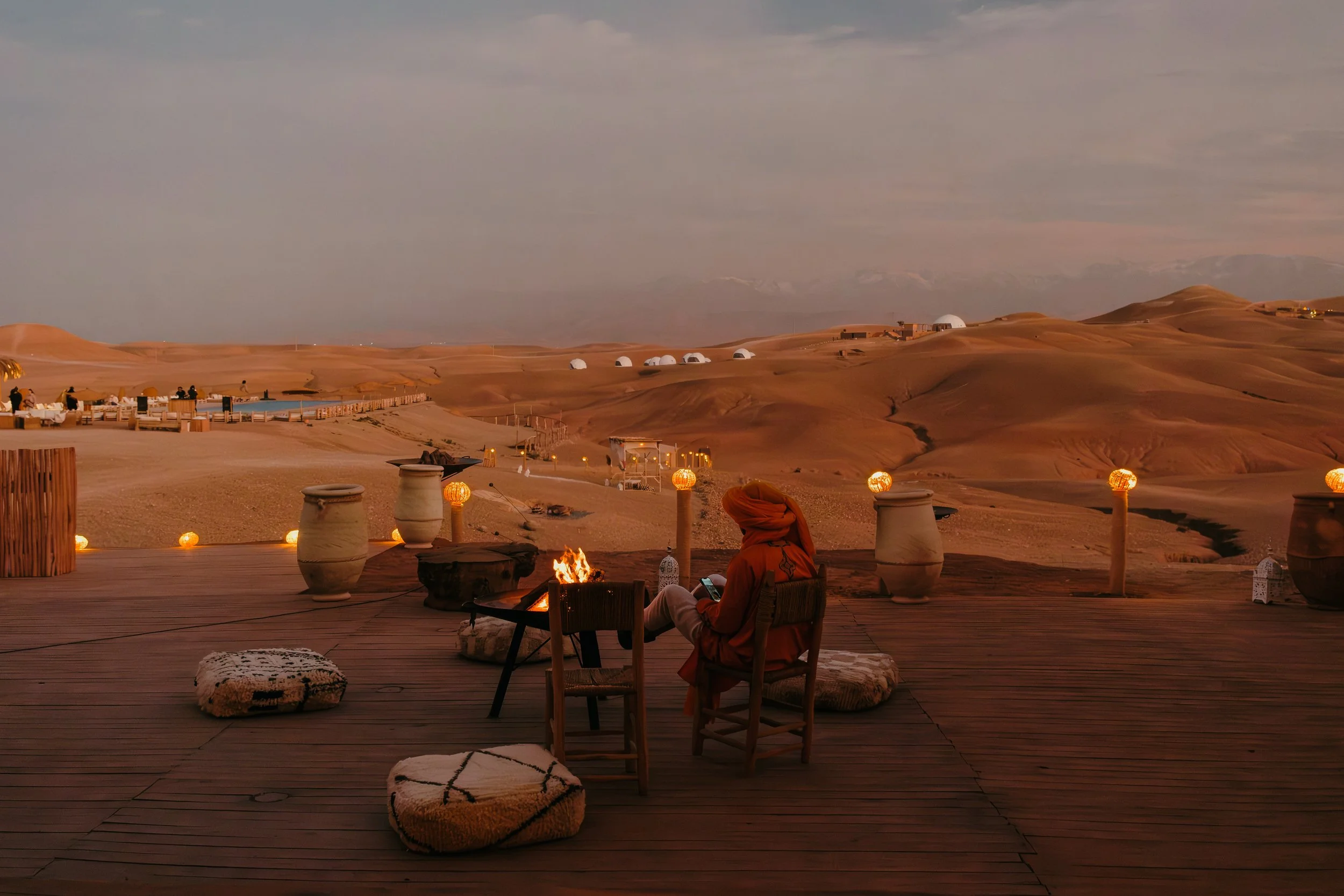
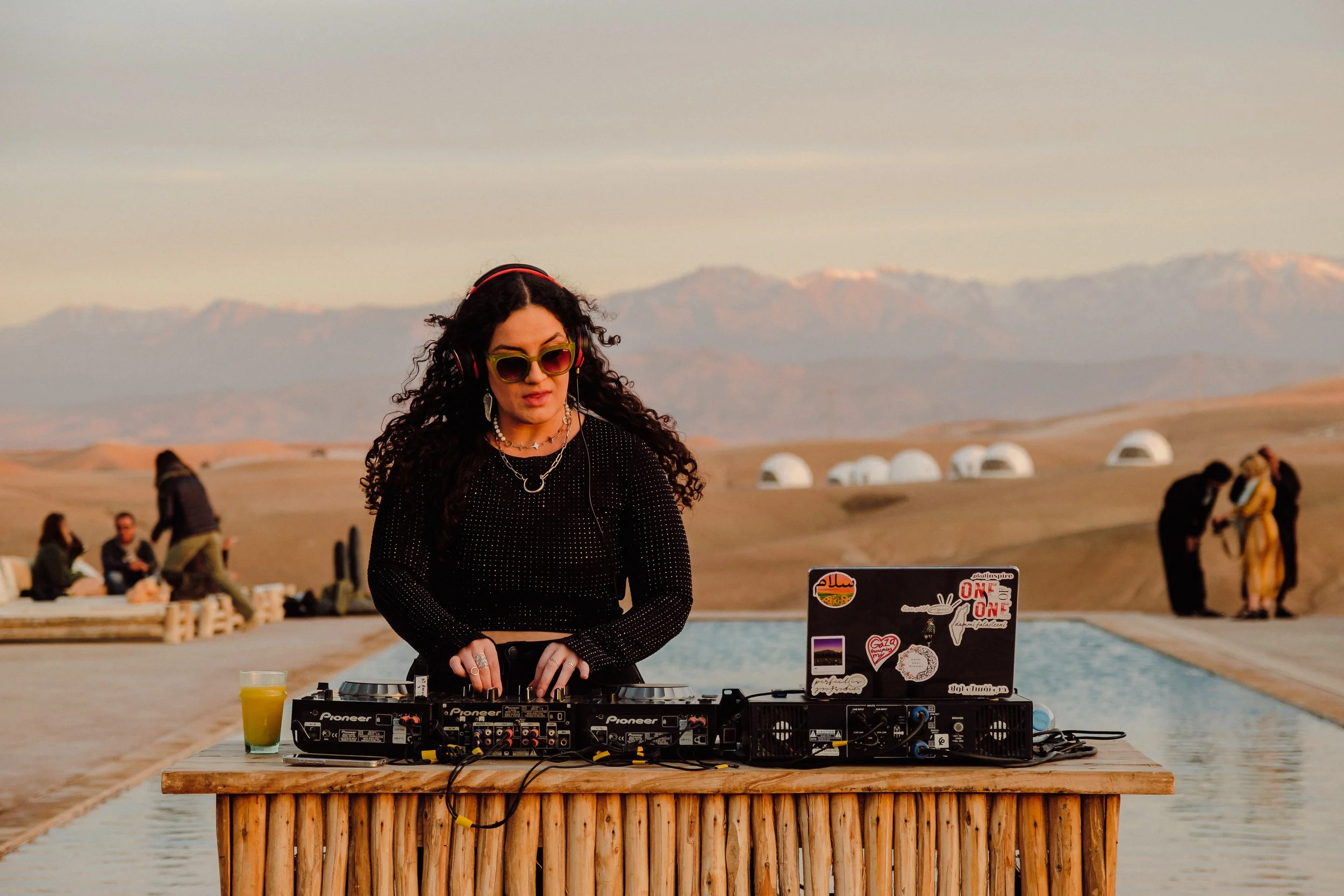
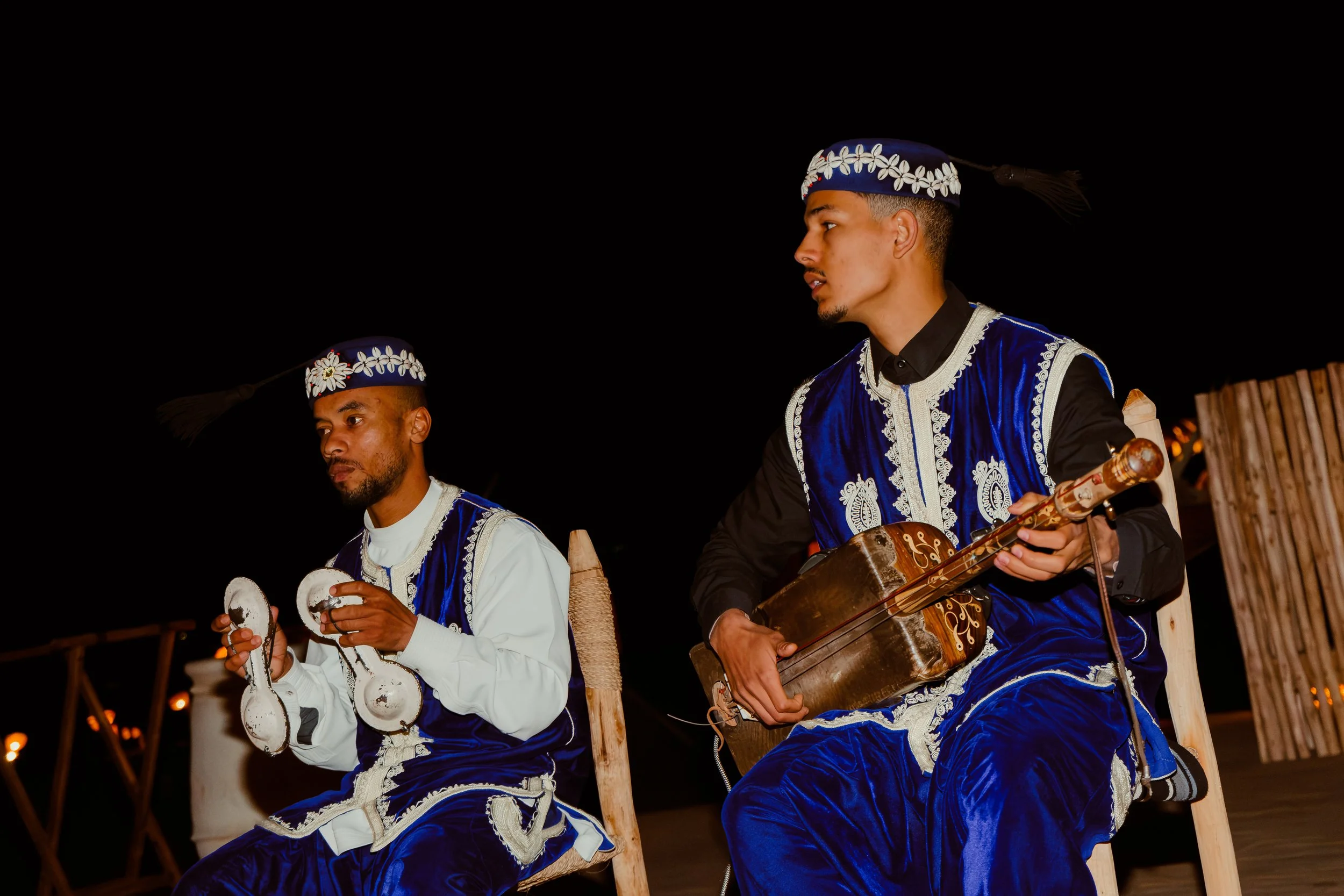
Our invited guests arrived to sweeping views of distant mountains, the ripple of the camp’s glinting pool and the raw, rocky slopes of the desert. These breathtaking views were overlaid by sounds from Moroccan-English DJ and artist, Yu Yu, who blended traditional Moroccan Gnawa music with Sufi trance, house, funk and afrobeats. We were then welcomed to a table carefully laid with handmaid place settings by the French-Moroccan design powerhouse, Zoubida, who both sources and makes their pieces locally. You could also find their brightly coloured custom-decorated tuk-tuks ferrying art-goers between the 1-54 venues in the Marrakech medina.
“We want to offer AlKamar Camp guests the best of Moroccan hospitality"
Rachid El Youssoufi
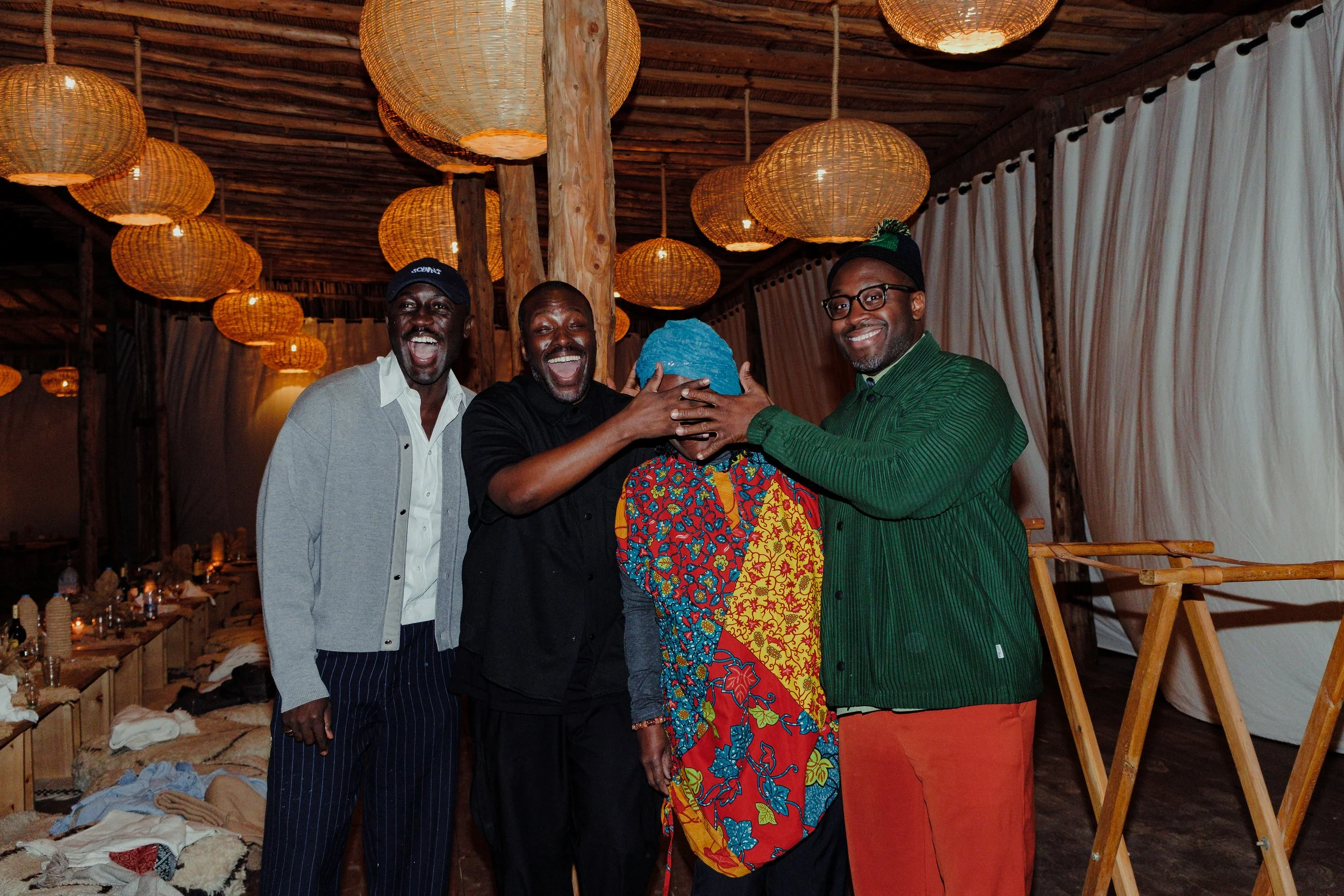
Kojo Yeboah, Akwasi Brenya-Mensa, Mrs Brenya-Mensa, Larry Ossei-Mensah
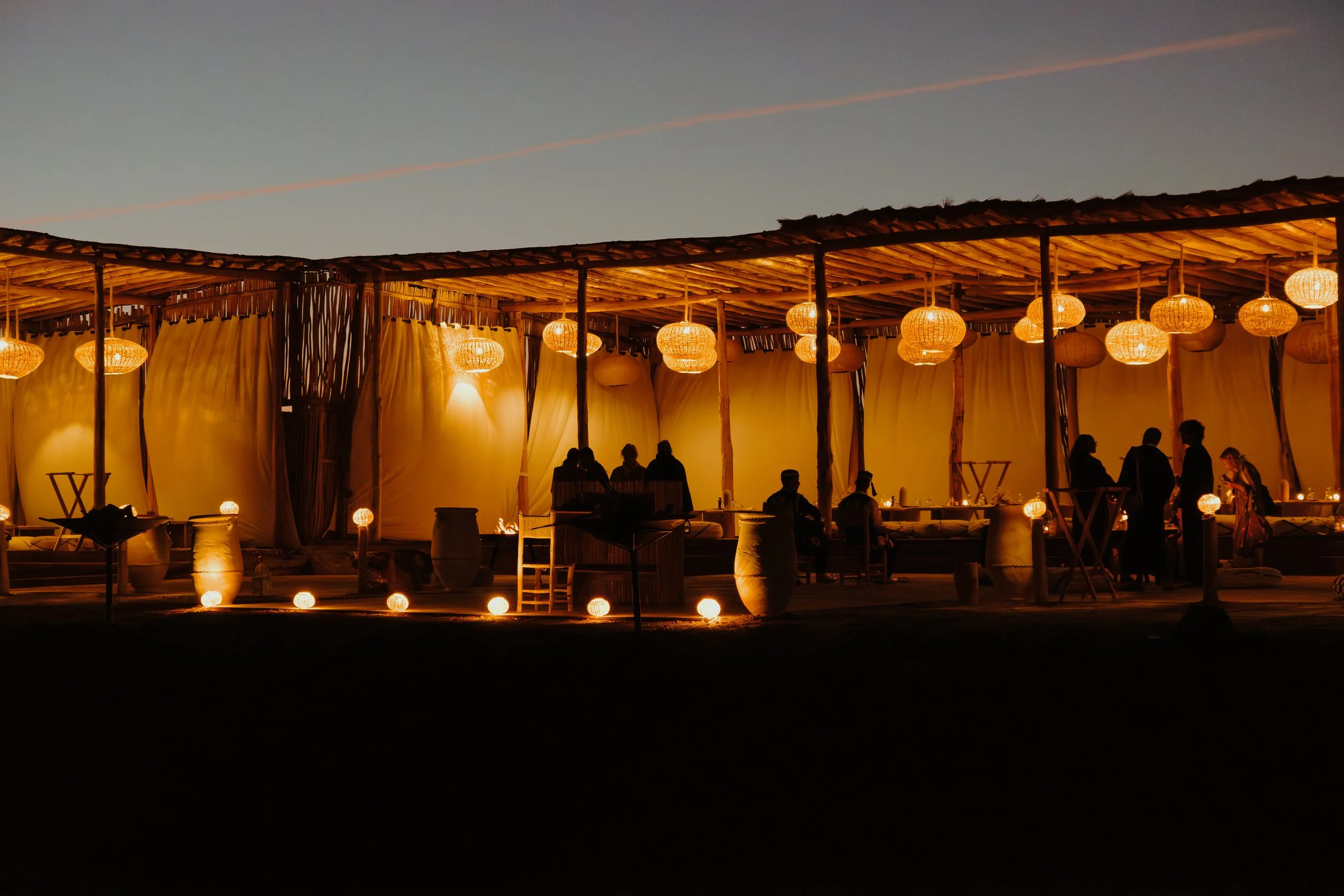
Under a blanket of stars, Tatale founder and chef, Akwasi Brenya-Mensa warmly introduced his menu, a delicious fusion of traditional Ghanaian and Moroccan flavours inspired by ‘notes of water’ in a nod to WE, MAJI (water in Swahili). As we began, Brenya-Mensa said: “I’ve never been able to do food in such a collaborative spirit as I have here - it’s been a lot of fun even seeing how the kitchen works, but I think the beauty of working in this way is that anything can happen.”
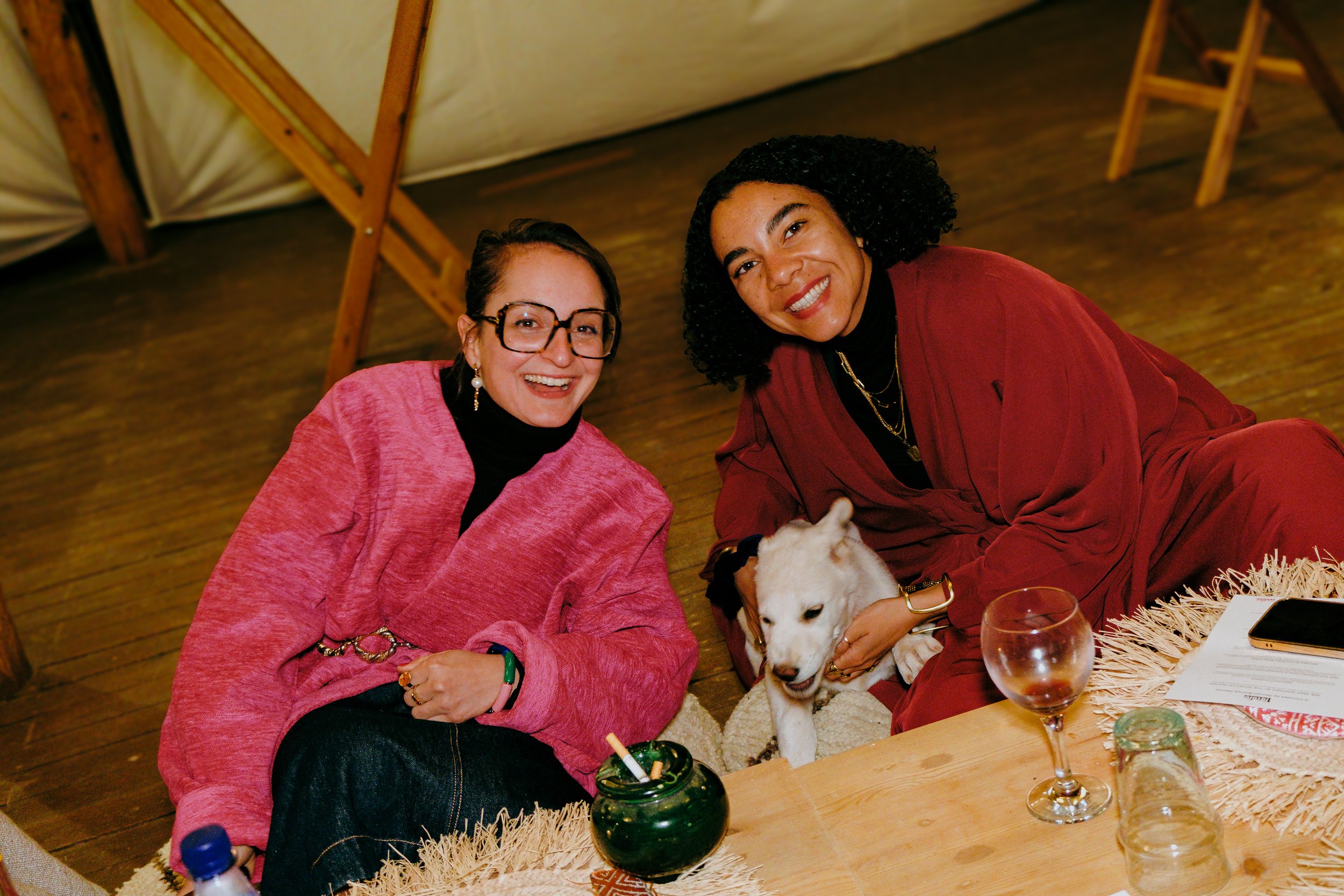
Sophia Kacimi and Thaïs Sala
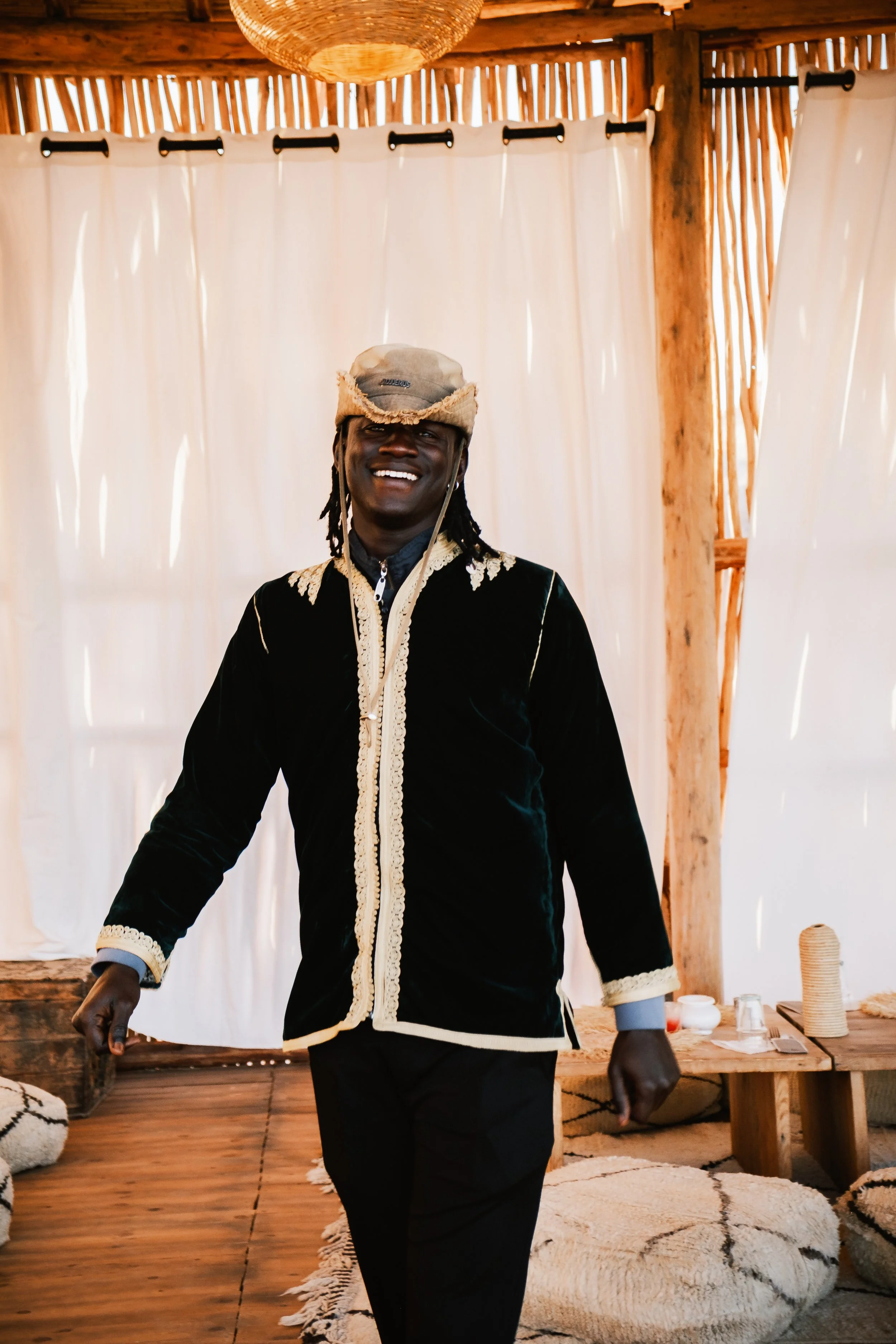
Each dish was presented with a memory attached to it, carrying forward his wish when founding the Tatale concept, to share personal and collective stories through his food and the cultural heritage it connects us to. A beautiful example of this was when guests were served groundnut soup (Nkatenkwan) over mashed rice (Omo Tuo) by the chef’s hand, assisted by his mother, with the knowledge that he links this in the menu to when “my brothers and I giggled around the table when Maame or Mama would serve it”. Brenya-Mensa goes on to share, “A lot of these memories I share are due to the fact that my mum initially got me into cooking.”
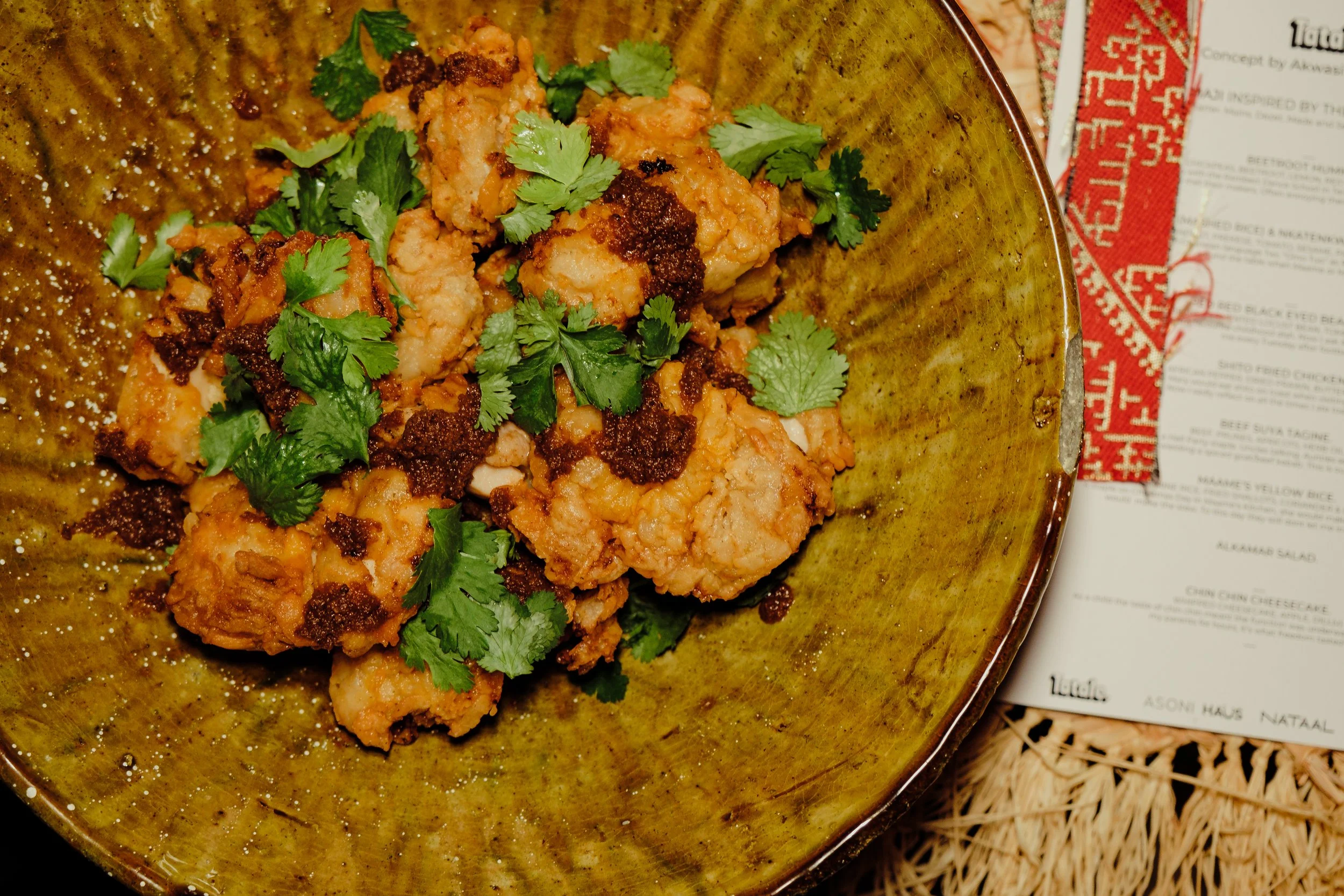
“I’ve never been able to do food in such a collaborative spirit as I have here at AlKamar Camp"
Akwasi Brenya-Mensa
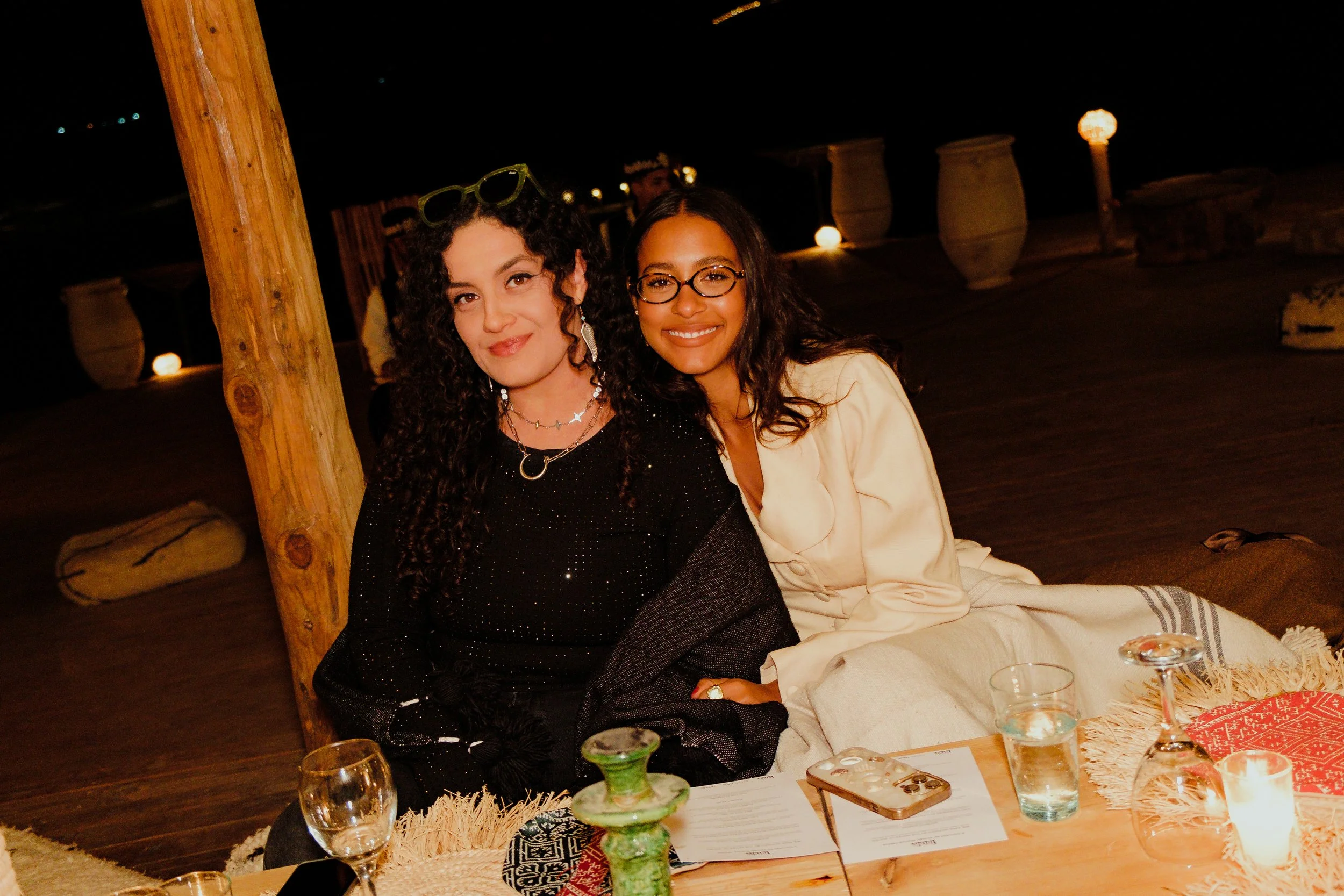
Youssra Manlaykhaf and Hannah Traore
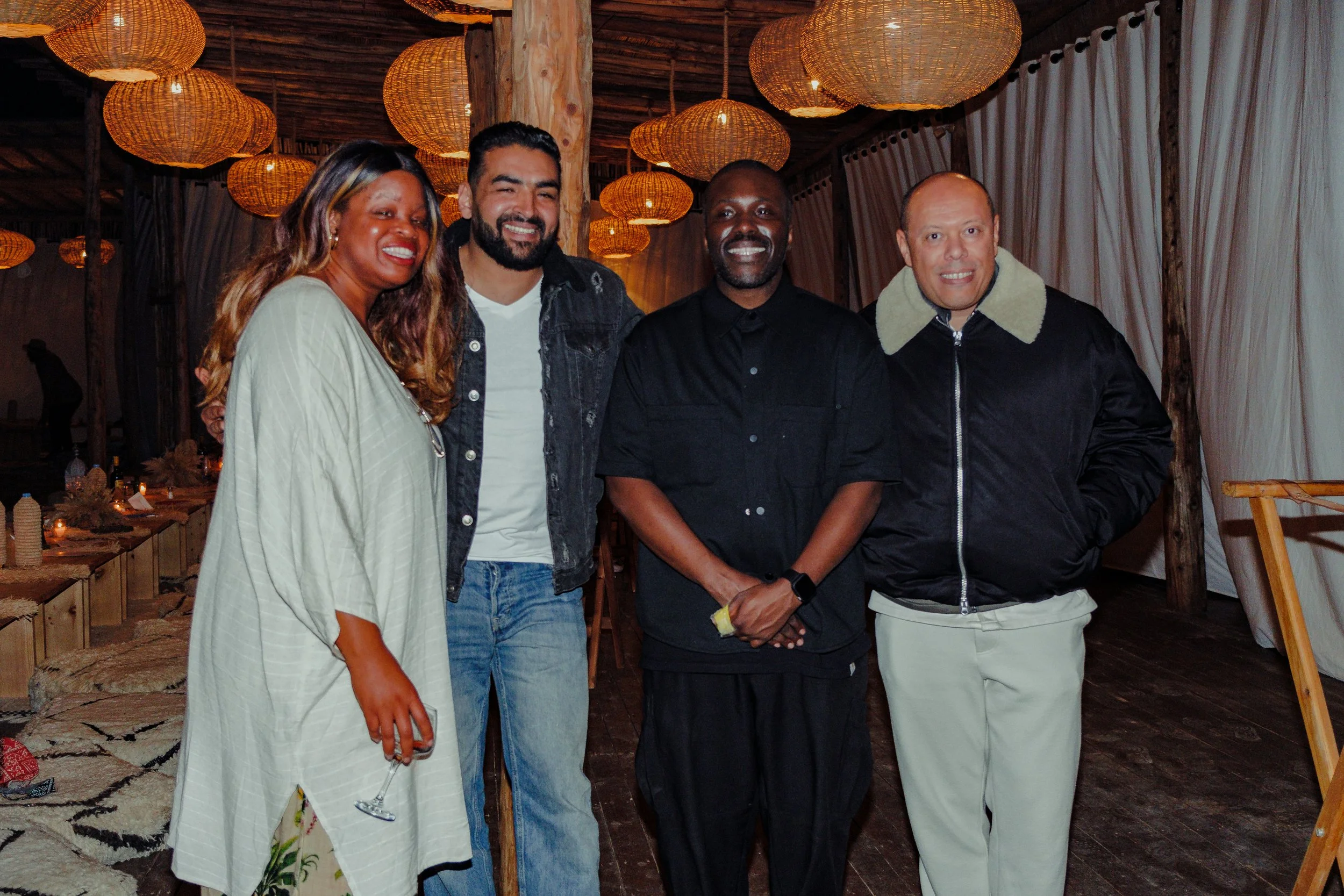
Ingrid Asoni, Ismail, Akwasi Brenya-Mensa, Rachid El Youssoufi
The site has since grown with a pool and poolside lounge – light wooden structures where guests can enjoy traditional Moroccan dishes in the open air. The camp also features five desert lodges which accommodate guests whose comforts are taken care of by local Bedouin hosts who share stories of their region’s cultural practices. “Most of our employees were recruited locally with no formal qualifications. We trusted our own, we gave them the chance and now they love what they do. I'm always proud of them,” El Youssoufi explains. “We keep things small here as it’s all about offering that personal contact. Guests can relax by the pool, have a massage or engage in activities like quad bikes and camel rides at sunset. And by night, they can go stargazing.”
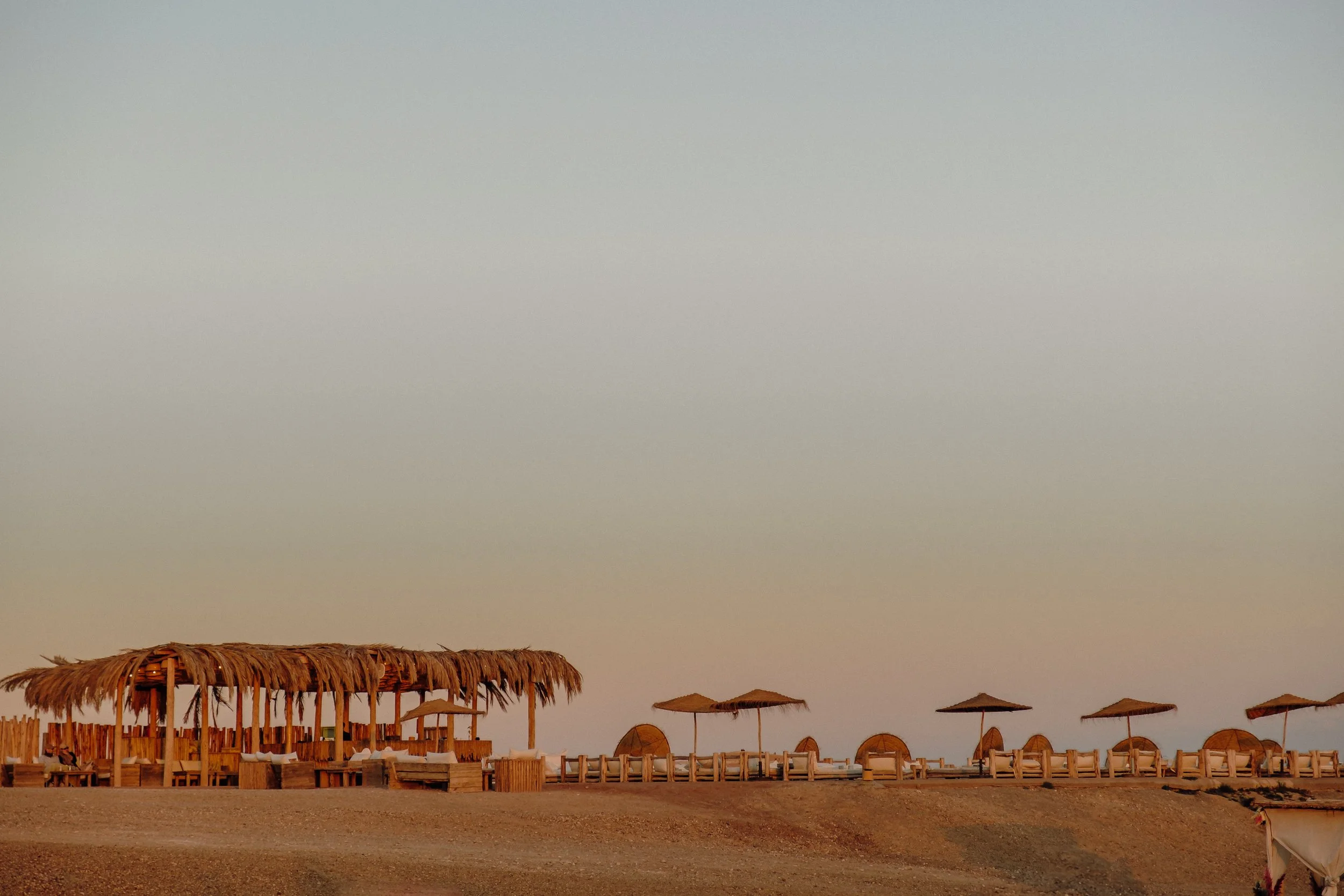
This heartfelt philosophy extends to AlKamar’s commitment to sustainable practices. “We use solar panels, we hire from the local villages and, at the location, we are trying to add investments in batteries to store energy at night. Our goal is to be 100% autonomous in terms of energy and waste.” The ambition is to continue to build the AlKamar Collection, growing out into more regions of Morocco and abroad and to continue to share the country’s proudly held values in hospitality with more people around the world.
Visit Alkamar Camp
Visit Asoni Haus
Visit Tatale
Visit Zoubida
Visit WE, MAJI
Event photography and videography Rasha Kotaiche
Portrait photography Elina Simonen
Words Youssra Manlaykhaf
Published on February 19, 2025
Explore more stories
We, Maji on Show
1-54 Marrakech

Marrakech
Thom Browne
Moses Itauma flying high
Nike
Meet La Nouvelle Vague
Valentino
Nataal is a media brand and creative studio dedicated to diverse storytelling around Africa and beyond
© Nataal 2026.